Biophilic design: highlights from Milan Design Week 2026
Trade shows and design events are occasions to get inspired and find ideas. From my perspective, I always look for inputs that enrich anooi’s research and resonate with the notion of nourishing spaces, integrating biophilic solutions, universal wellbeing, and conscious design. A combination of objects, places, and experiences that unite people, nature, and design.
Following are my highlights from Milan Design Week 2026…
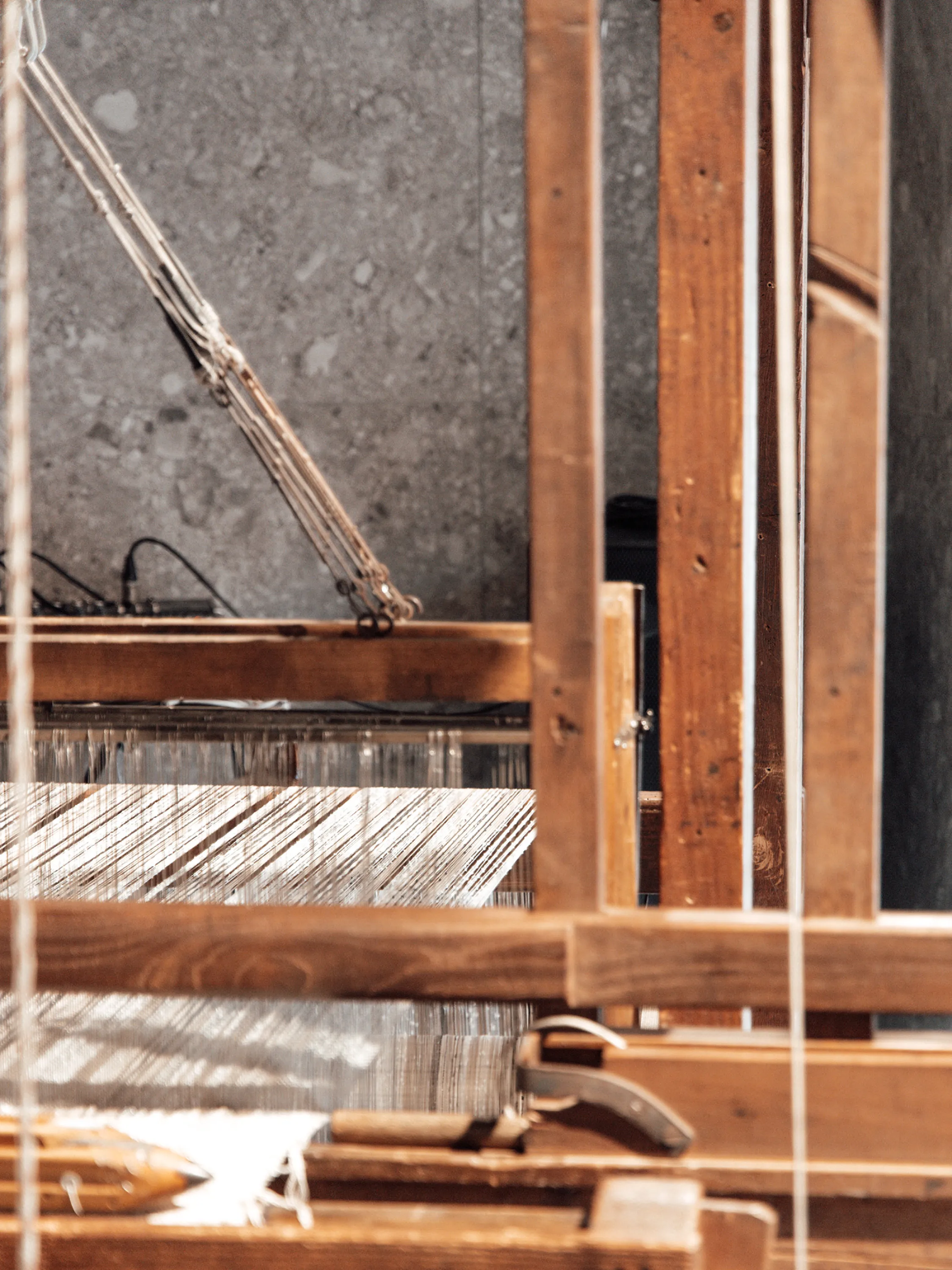
The substance of craftsmanship
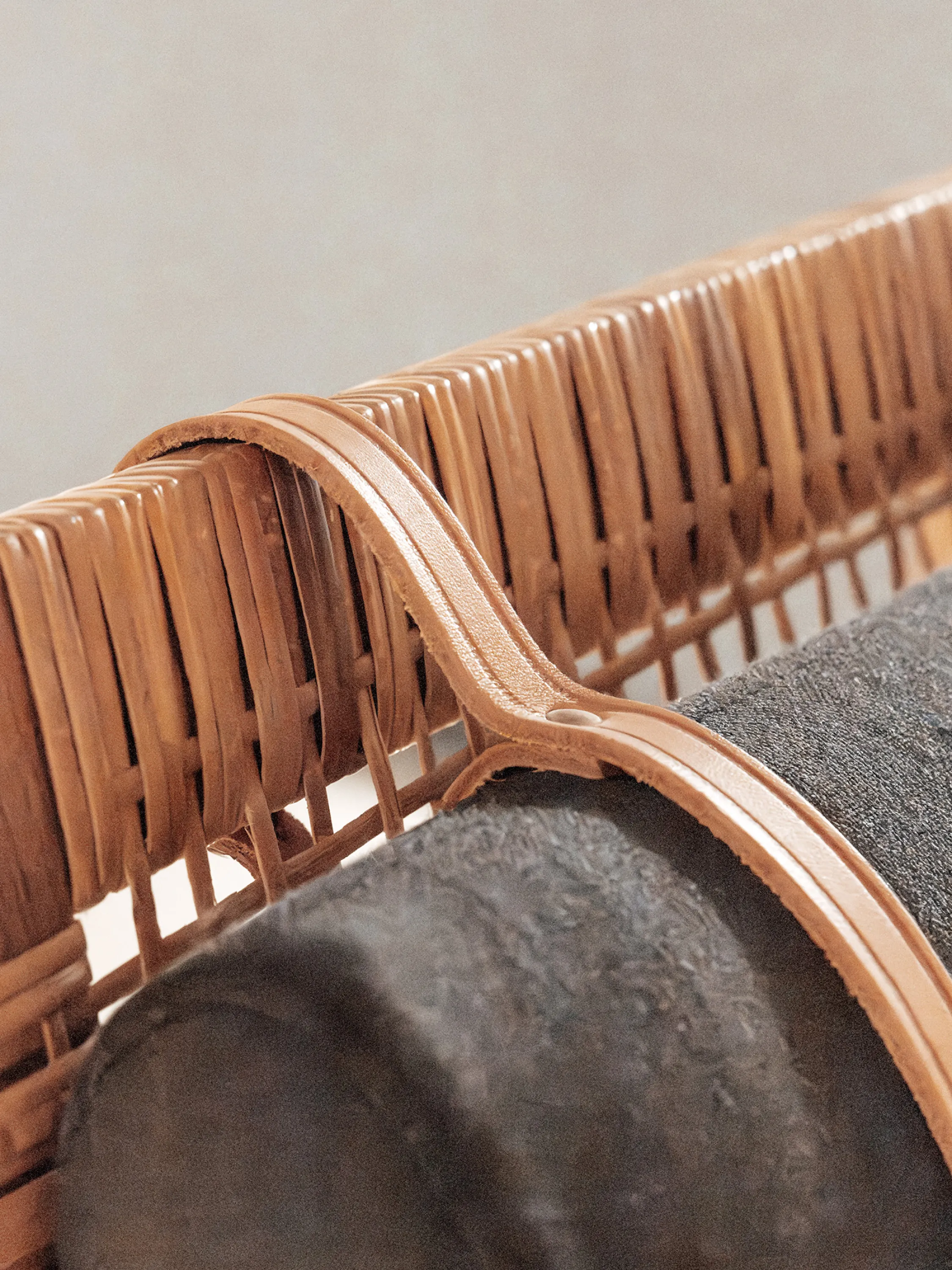
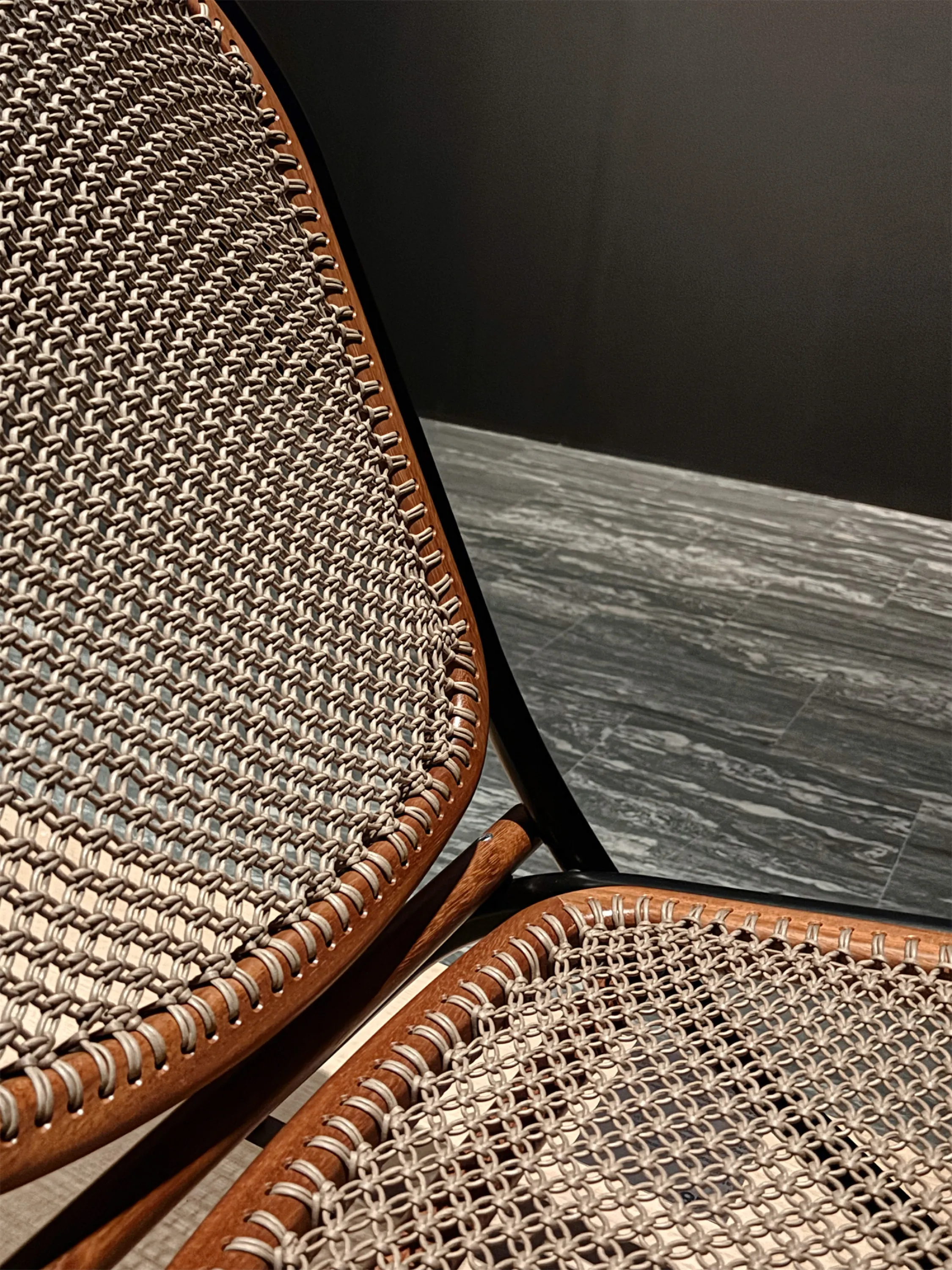
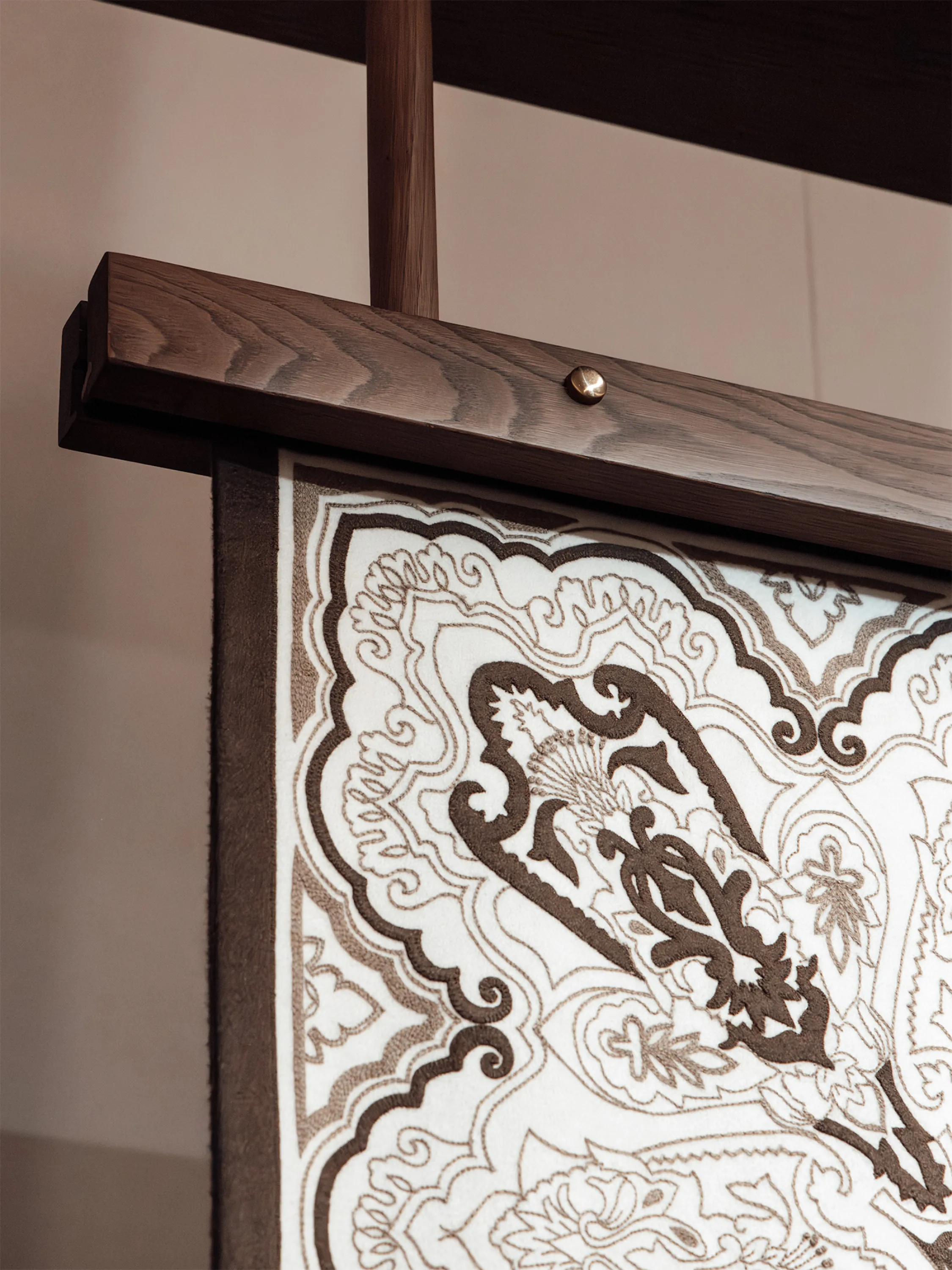
History, tradition, and craftsmanship infuse spaces and objects with a substance that can somehow be felt.
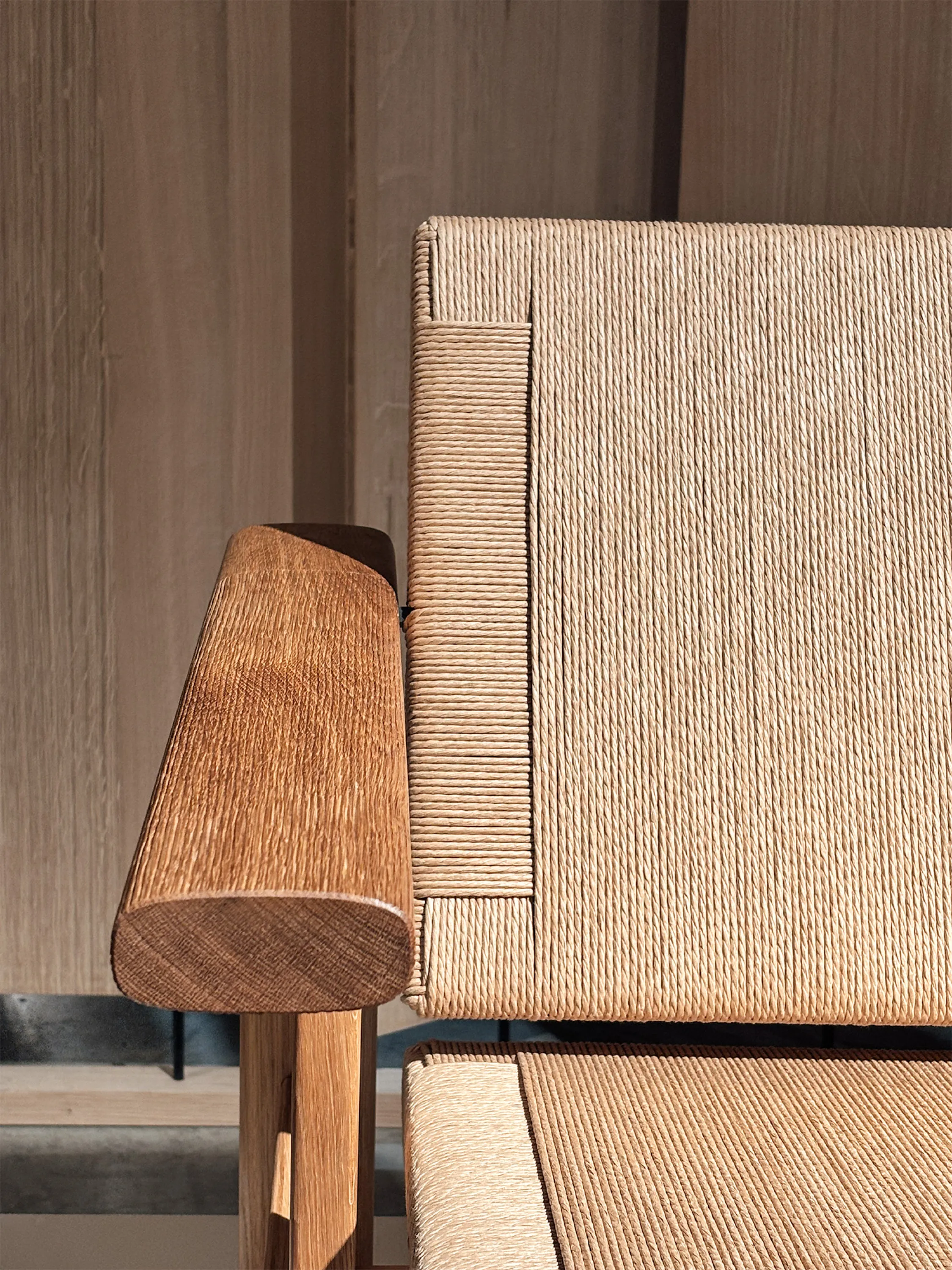
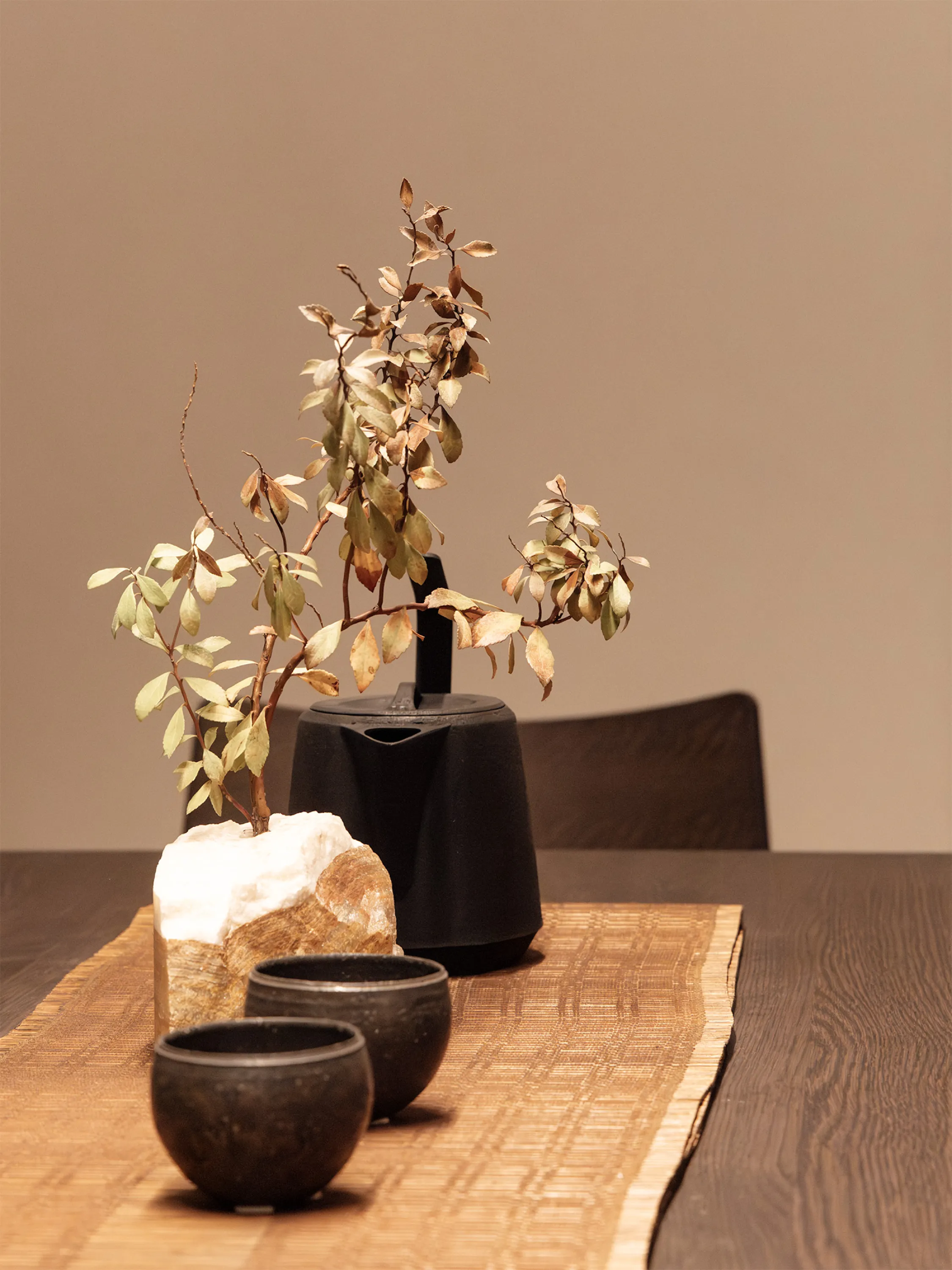
The fine details, the careful making, the manual weaving, carving, and embroidering, the long-lived techniques, the honest materials all add a depth that transcends what can be seen and touched and becomes something to be felt. A sense of reverence for the craft. A deep sensation that makes the experience of those spaces, objects, and moments immediately more nourishing.
Respectful, restrained design
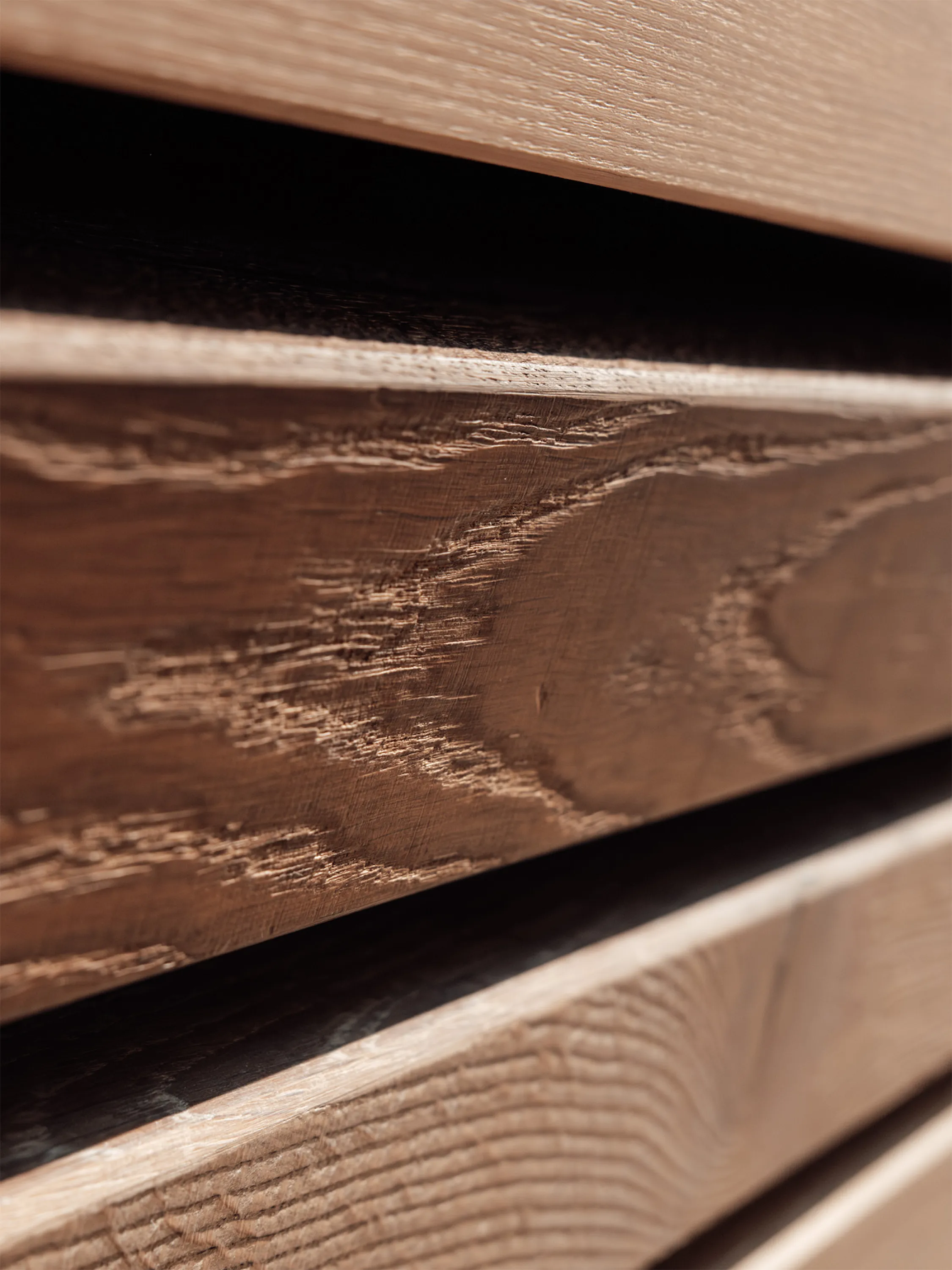
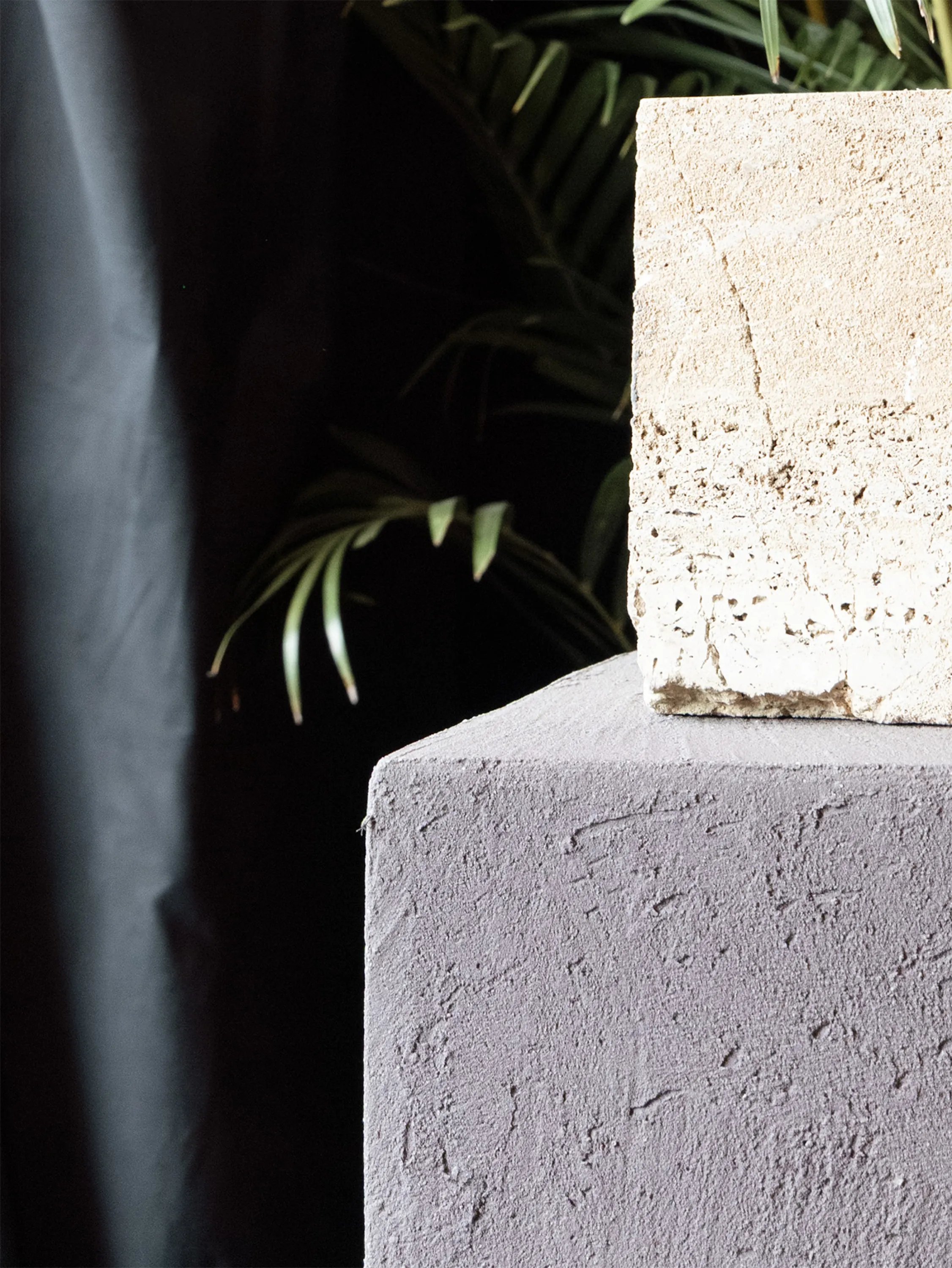
Designing with nature can take many forms. From a product perspective, one of the most sensible interpretations of this resolution is to create with natural materials and resources, transforming and using them with enough respect and restraint to preserve their inherent properties and their innate charm.
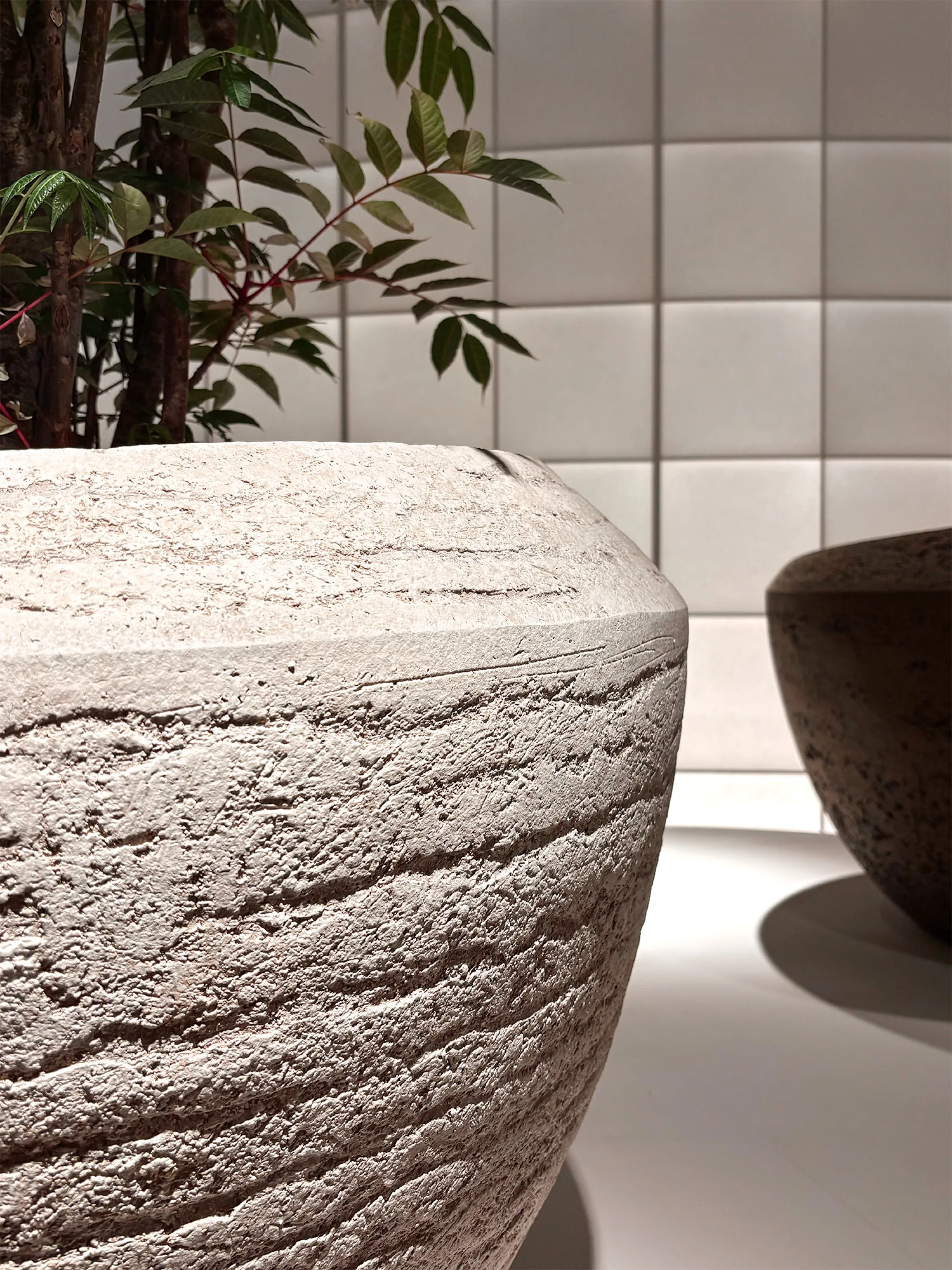
Remarkable examples include wood flooring tinted with natural pigments and sealed with natural oils, as well as clay wall finishes derived from natural earths, intentionally retaining their original colours.
Welcoming the unexpected
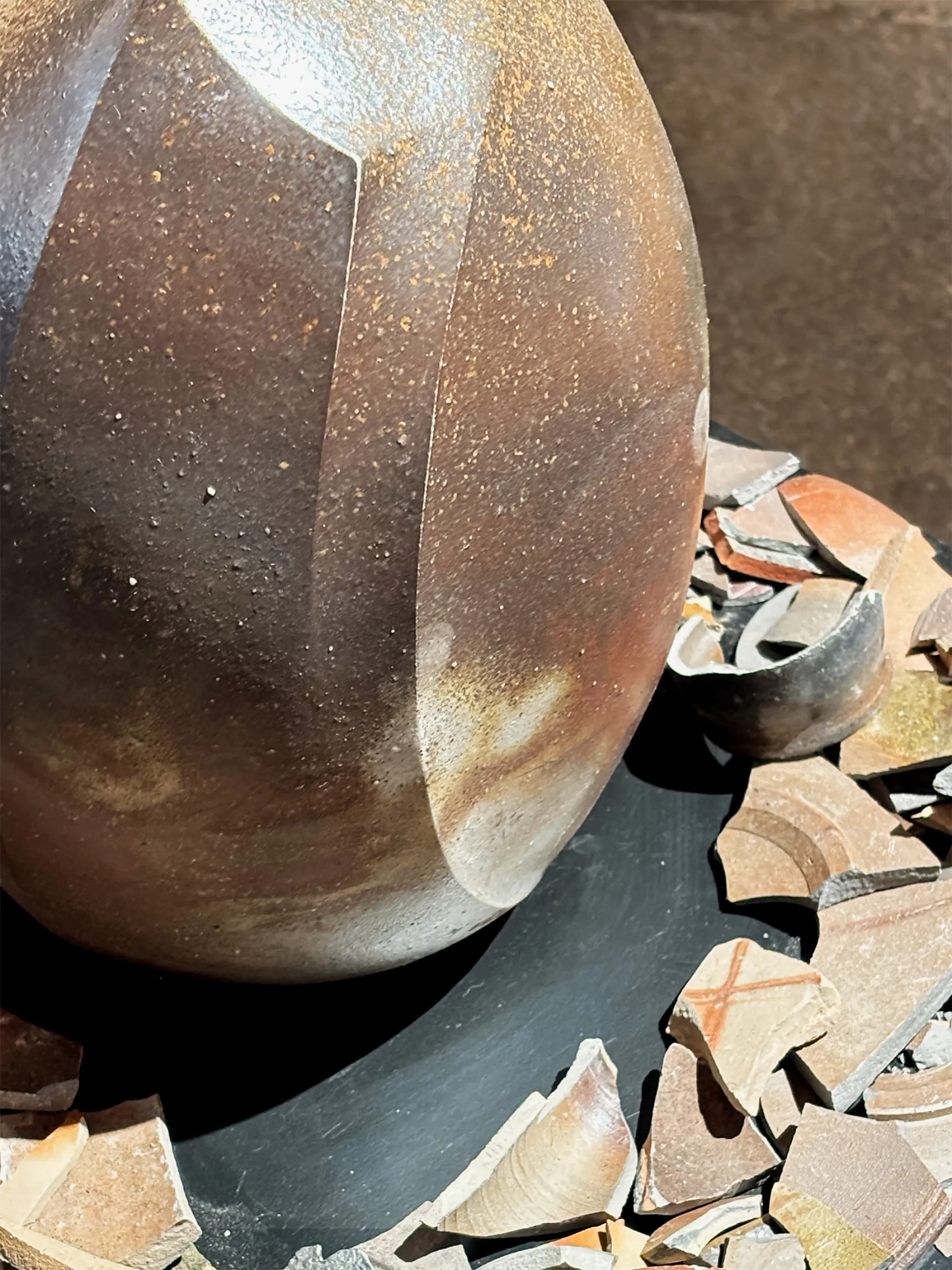
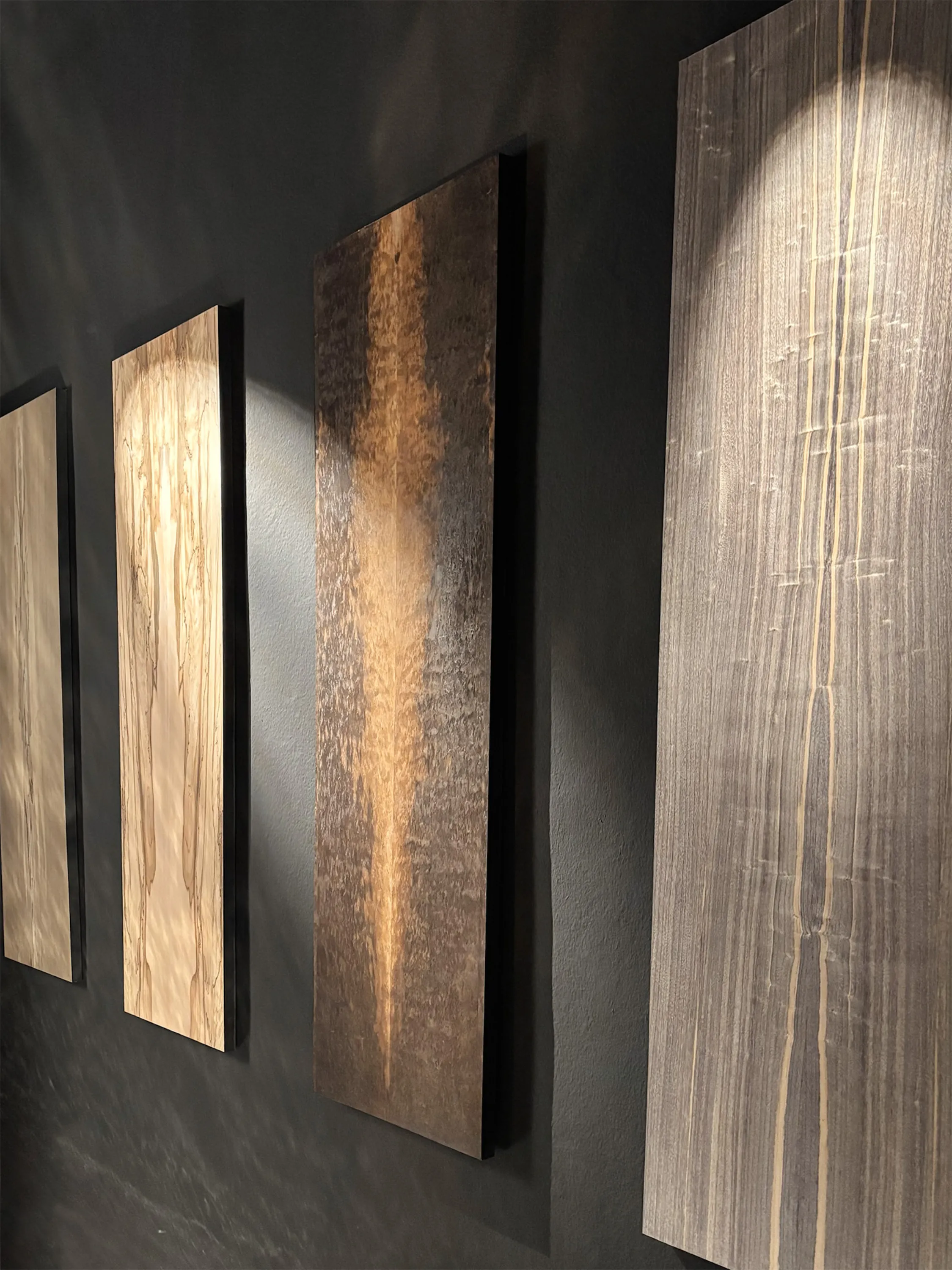
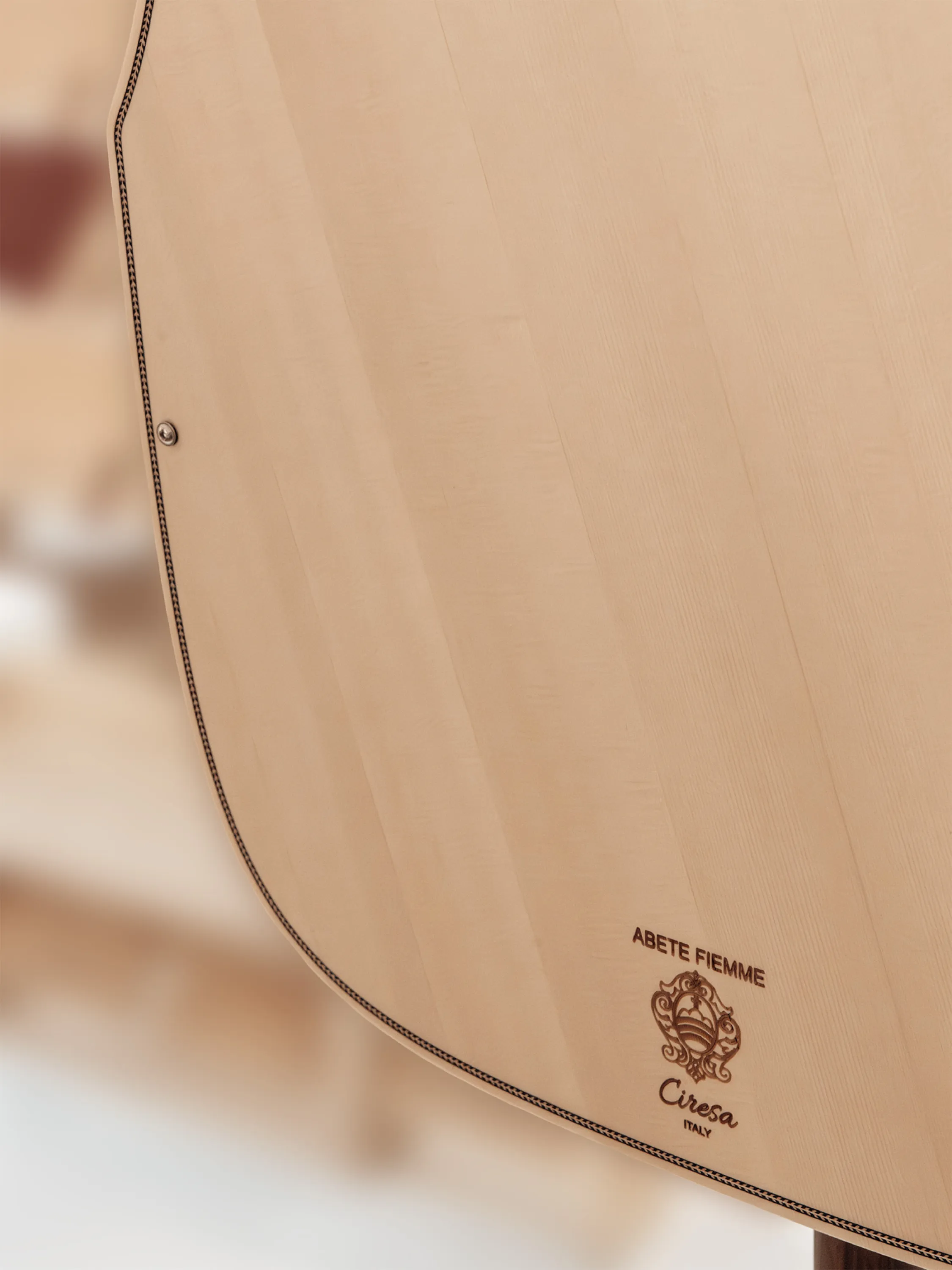
Designing with nature also means letting natural elements and forces become actual co-designers. This is the case in wood panels that juxtapose the symmetry of bookmatching with the never-perfect symmetry of wood grain, as well as in Bizen-Yaki – a traditional firing technique from Japan that lets nature introduce surface texture and tonal richness by allowing ash drops to deposit on the pieces and by covering part of the ceramic surface with wood pieces during firing, deliberately introducing unpredictable discolorations.
The results are objects and surfaces where the “hand” of nature is distinctly visible and celebrated.
Nourishing urban space
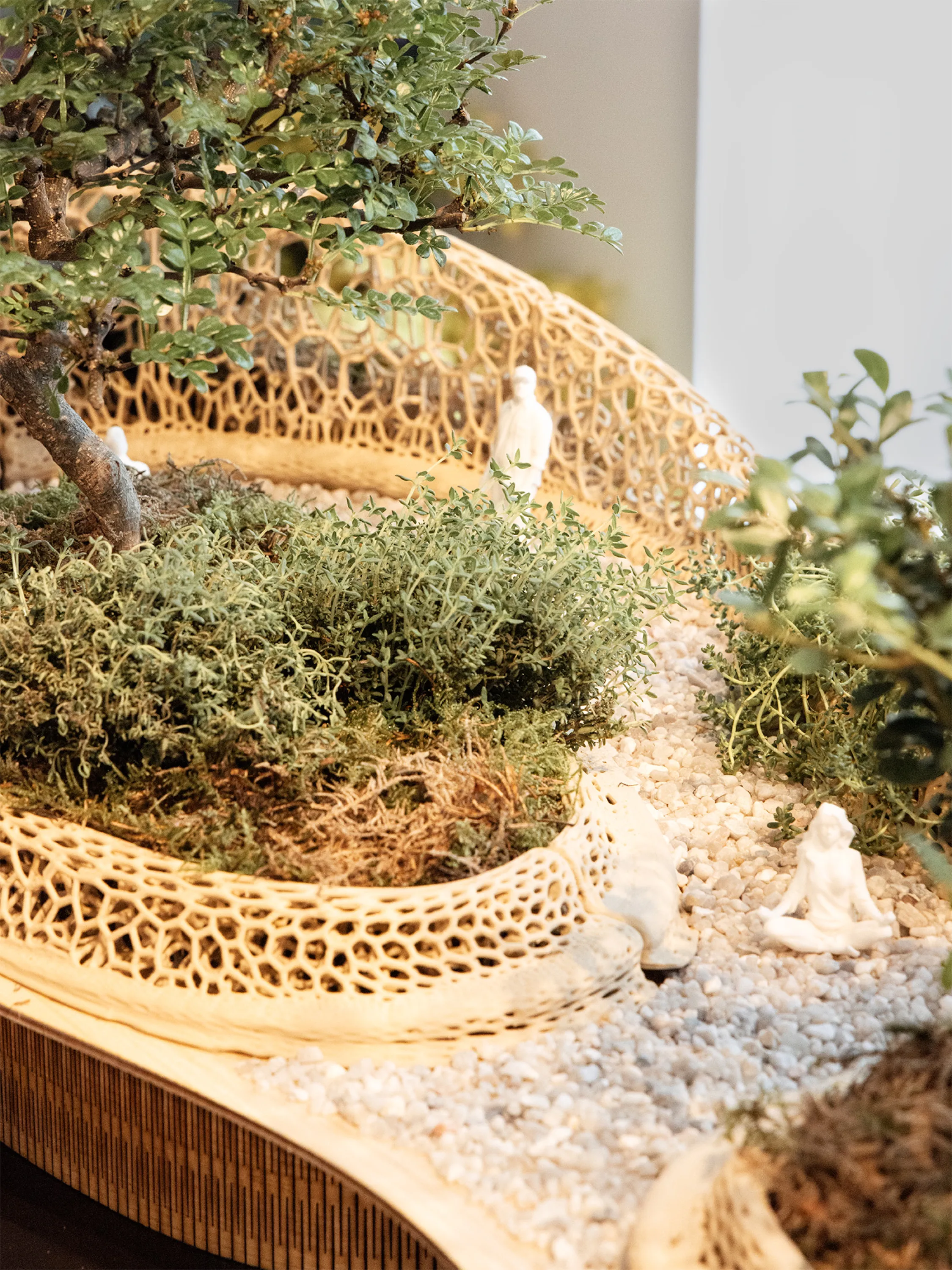
Cities have become a daily habitat for many people. Yet too often, they are not designed for human wellbeing, and they operate without considering their wider context. At many levels and in many ways, the integration of nature into urban design (see Chapter 4 of A Biophilic Year) would make cities more liveable and more balanced environments.
Urban public space is an ideal example. Integrating nature by design in the form of wise plantings, welcoming alcoves, and areas for gathering helps mitigate uncomfortable and unhealthy heat and noise while creating streets that are meant for people, venues for community and life.
Nature in colours, textures, sounds
Designing for the senses shapes environments that are at once stimulating and soothing.
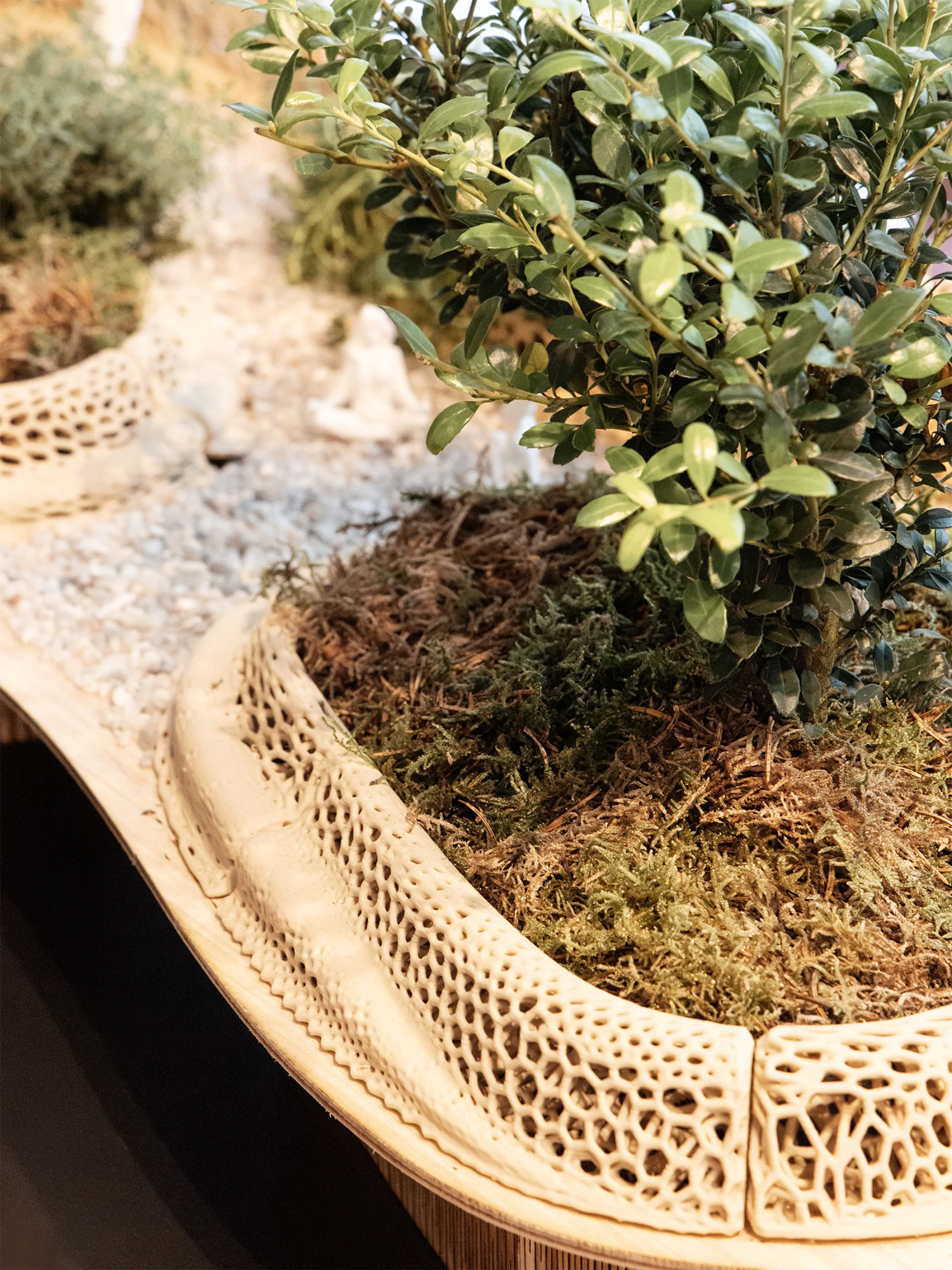
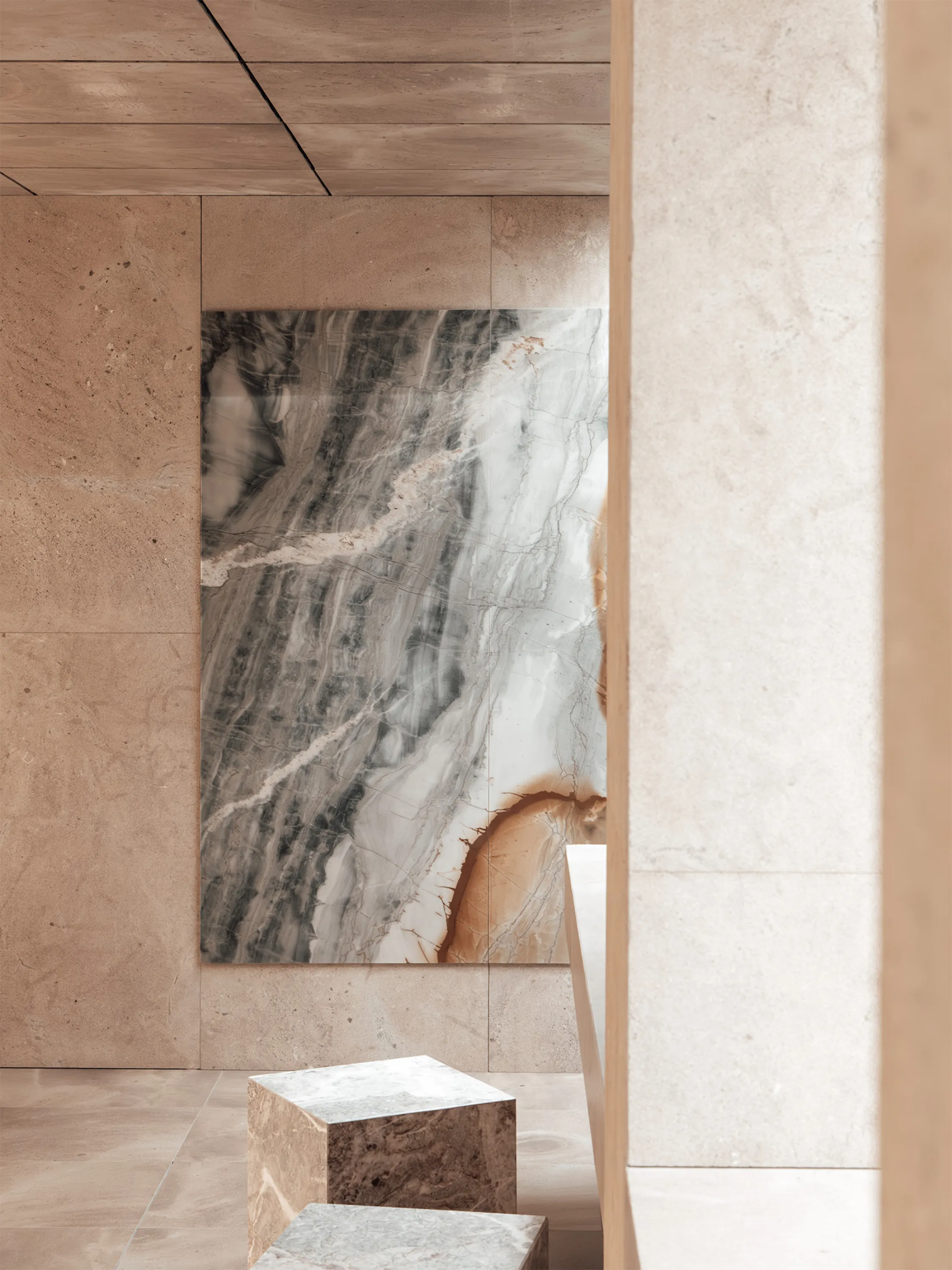
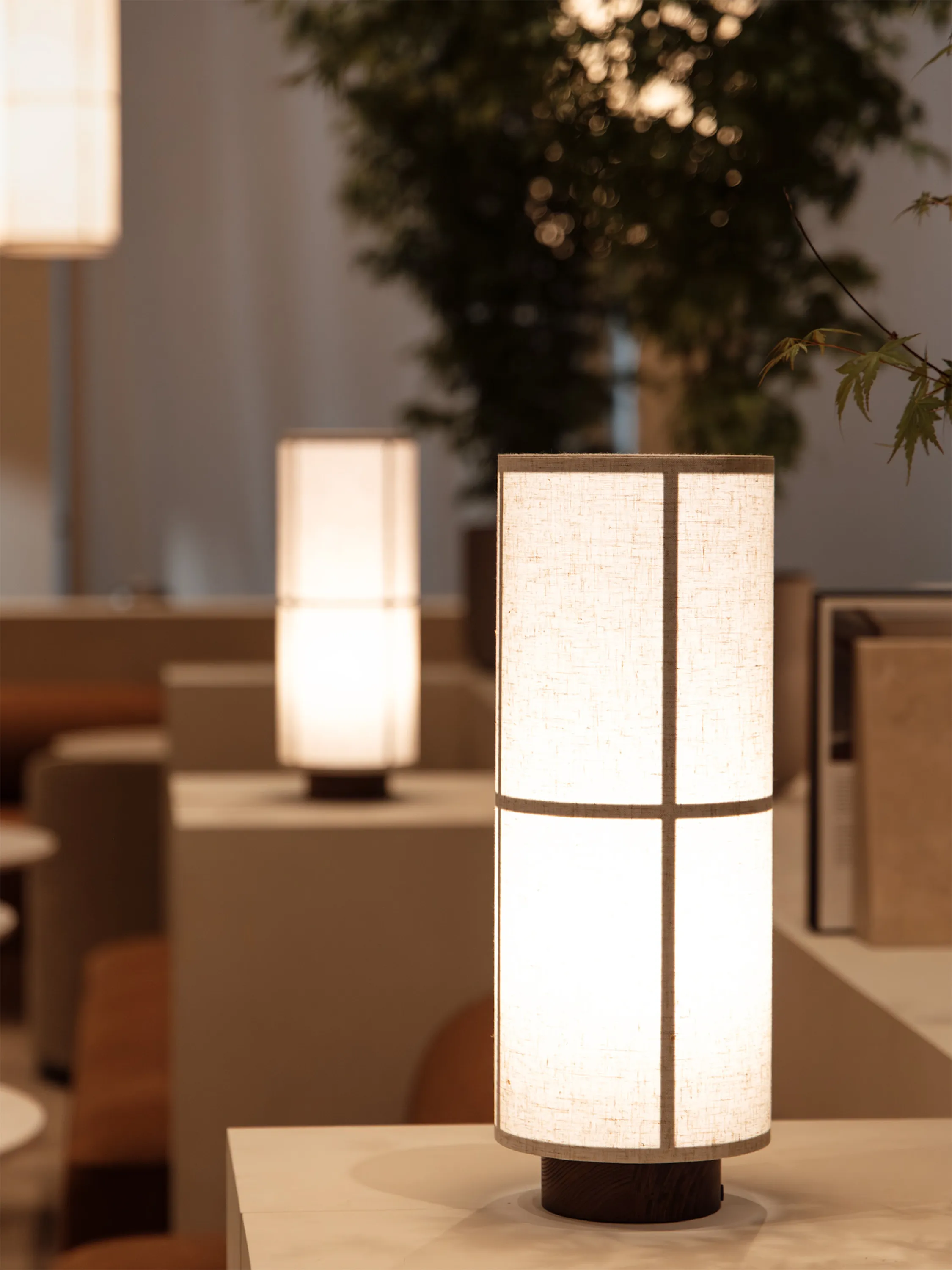
Examples rooted in the nature-design combination include layered earthy colours, rich natural textures and light patterns that intrigue both sight and touch, or sounds and music reproduced through the natural resonance of wood fibres; a simple method borrowed from instrument-making that has enchanted humans’ ears since the dawn of time.
The relationship between human experience, the natural world, and designed spaces shapes the studio’s work, lives in A Biophilic Year – a book-object and online archive on people, nature, and design – and becomes a sensory practice with In Season, a seasonal physical letter. Every month, anooi’s newsletter gathers the studio’s world and explores the idea of nourishing spaces.