Biophilic moodboards: fractals in interiors
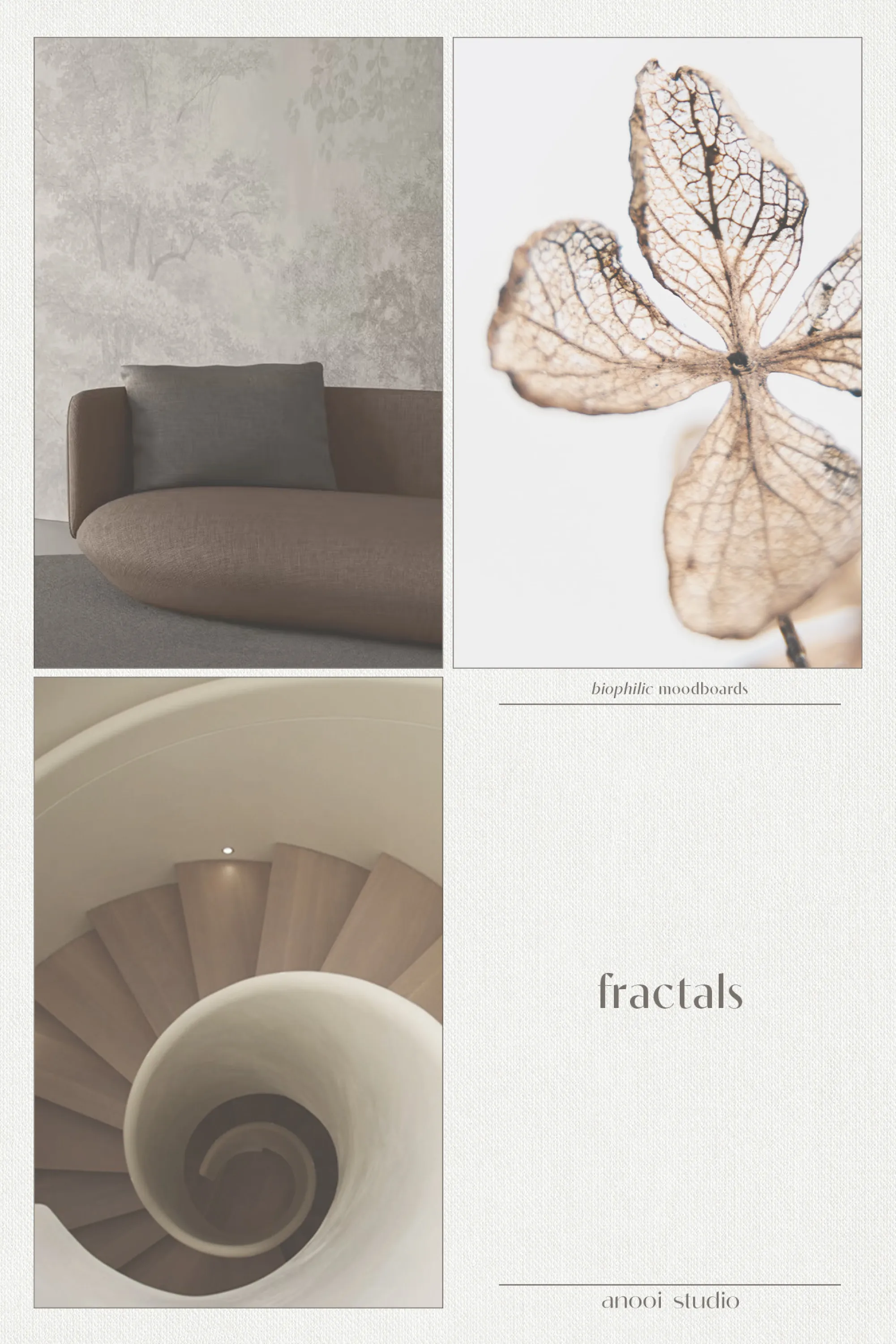
A biophilic approach to design advocates for rich spaces. The model is the natural world, whose richness is evident yet always balanced and measured. Fractals are part of the reason.
This episode of Biophilic Moodboards looks into the use of fractals in interior design…
About fractals
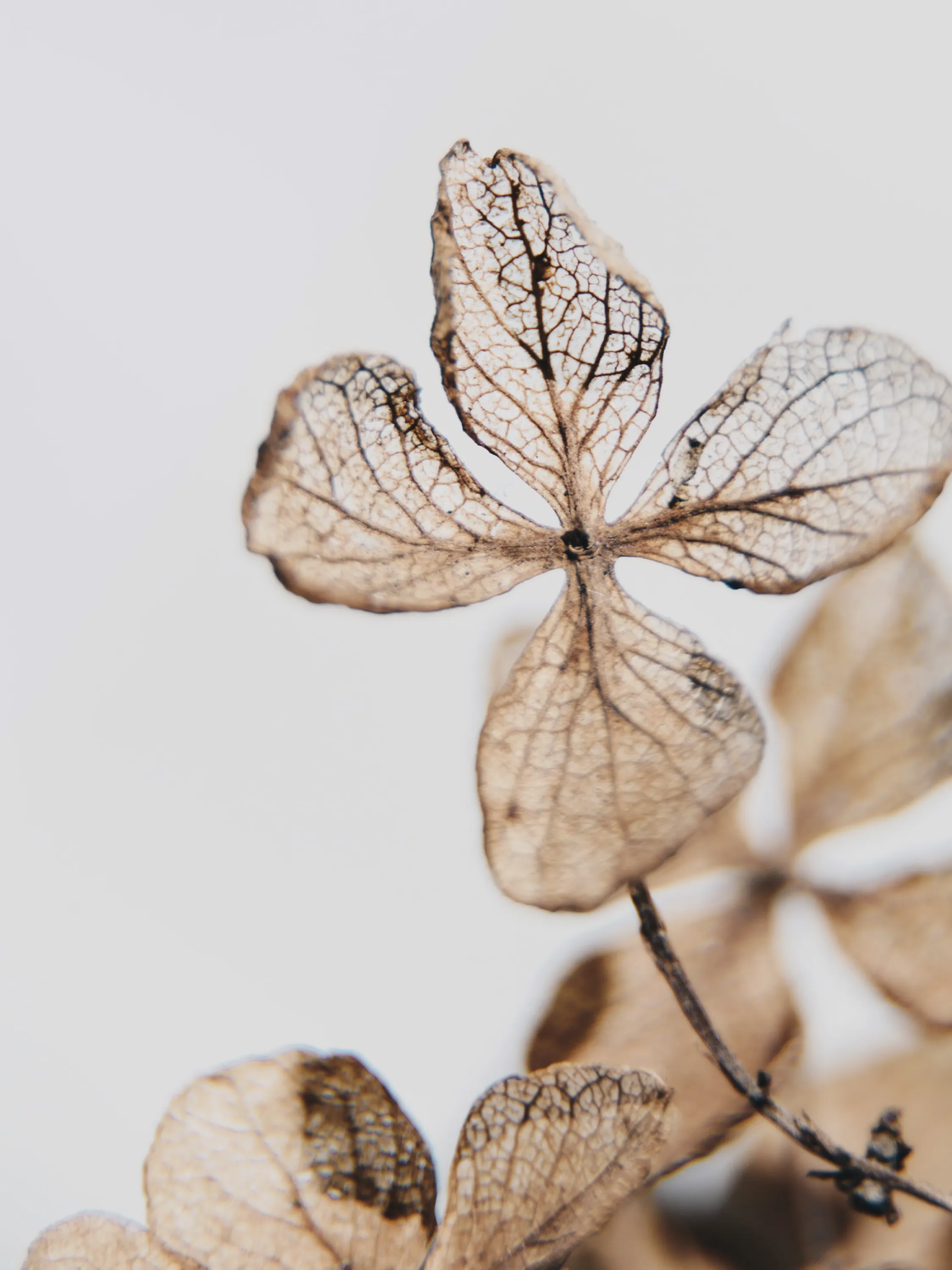
Fractals are patterns that originate by repeating one single shape in different sizes, which is why they’re also said to be self-repeating patterns. Examples of fractals in nature are everywhere. From leaf veins to the progressively thinner branches in a tree, from snowflakes to pinecones and shells: one form splitting into smaller versions of itself.
The reason why fractals are so fascinating is that they are both complex and ordered: they communicate a sense of structure and mesmerize at the same time, as one cannot find a beginning or an end.
Fractals can be tricky though: if too busy (or high-dimensional), they become overwhelming and stressful. Yet the kind of fractal patterns that can be found in nature is able to engage and soothe the mind.
Natural fractals in interiors
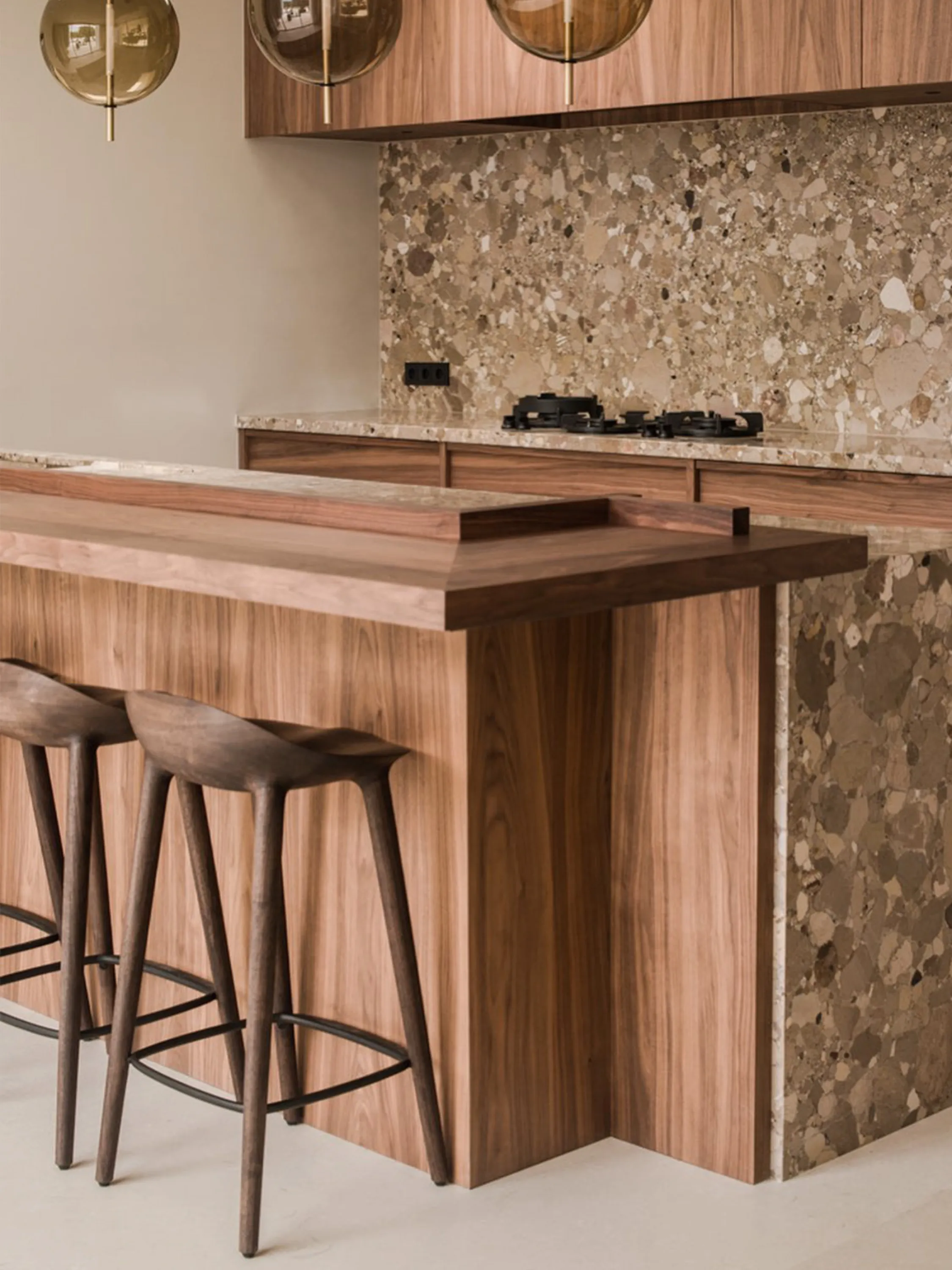
The texture of natural materials is often inherently fractal. Those materials will then automatically add a fractal feature to the space – even more if the finish is kept close to the original. In the case of wood, this means embracing the graining instead of covering or avoiding it.
Reproducing natural fractals is another option. This can be done through shapes, patterns, or else, recalling nature’s complex forms across architectural shapes, finishes, as well as any other element of a designed space.
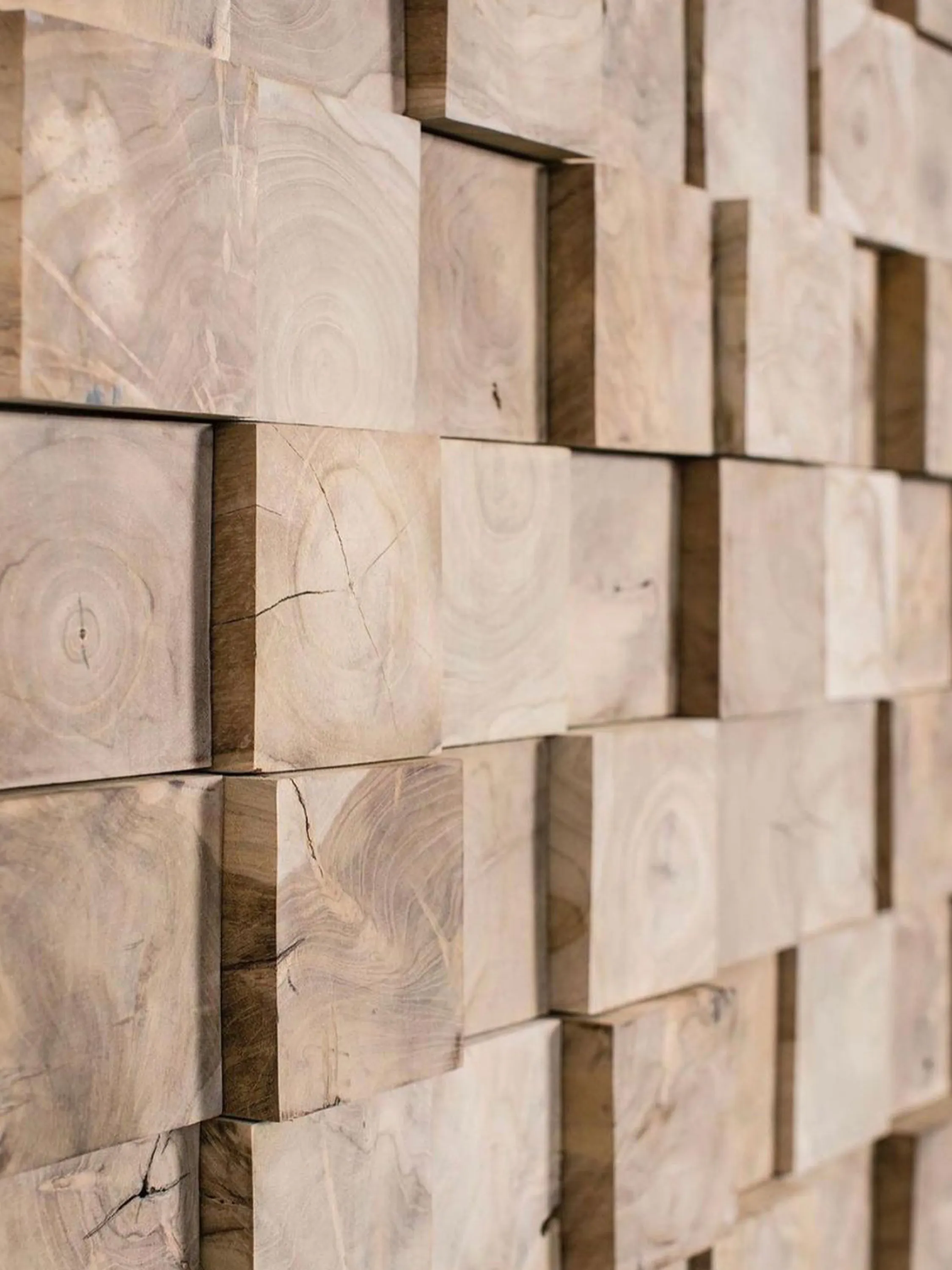
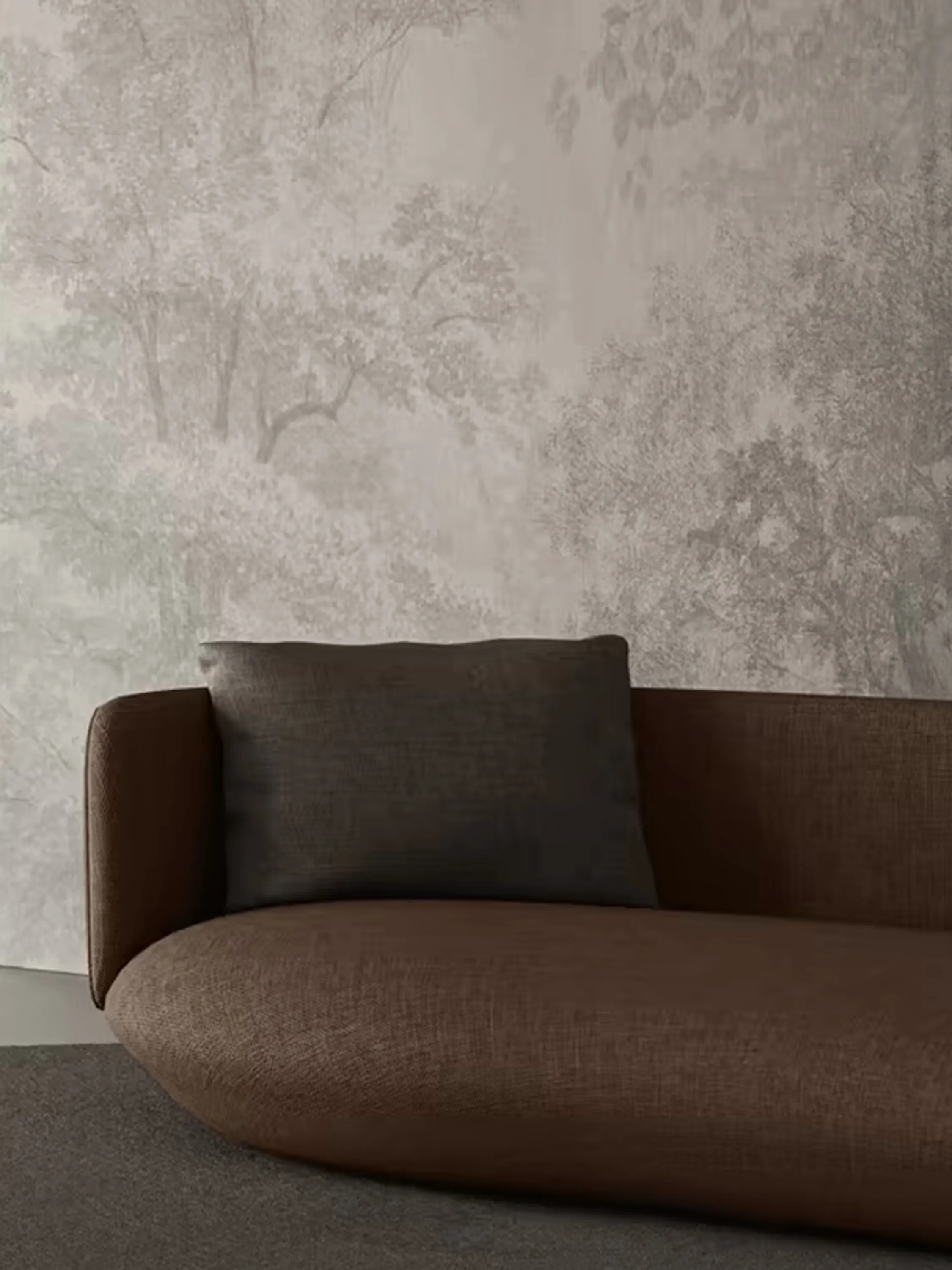
As a whole, fractals are an interesting way to add detail and complexity to designed spaces, making them more engaging and more connected with the natural world we all belong to.
The relationship between human experience, the natural world, and designed spaces shapes the studio’s work, lives in A Biophilic Year – a book-object and online archive on people, nature, and design – and becomes a sensory practice with In Season, a seasonal physical letter. Every month, anooi’s newsletter gathers the studio’s world and explores the idea of nourishing spaces.