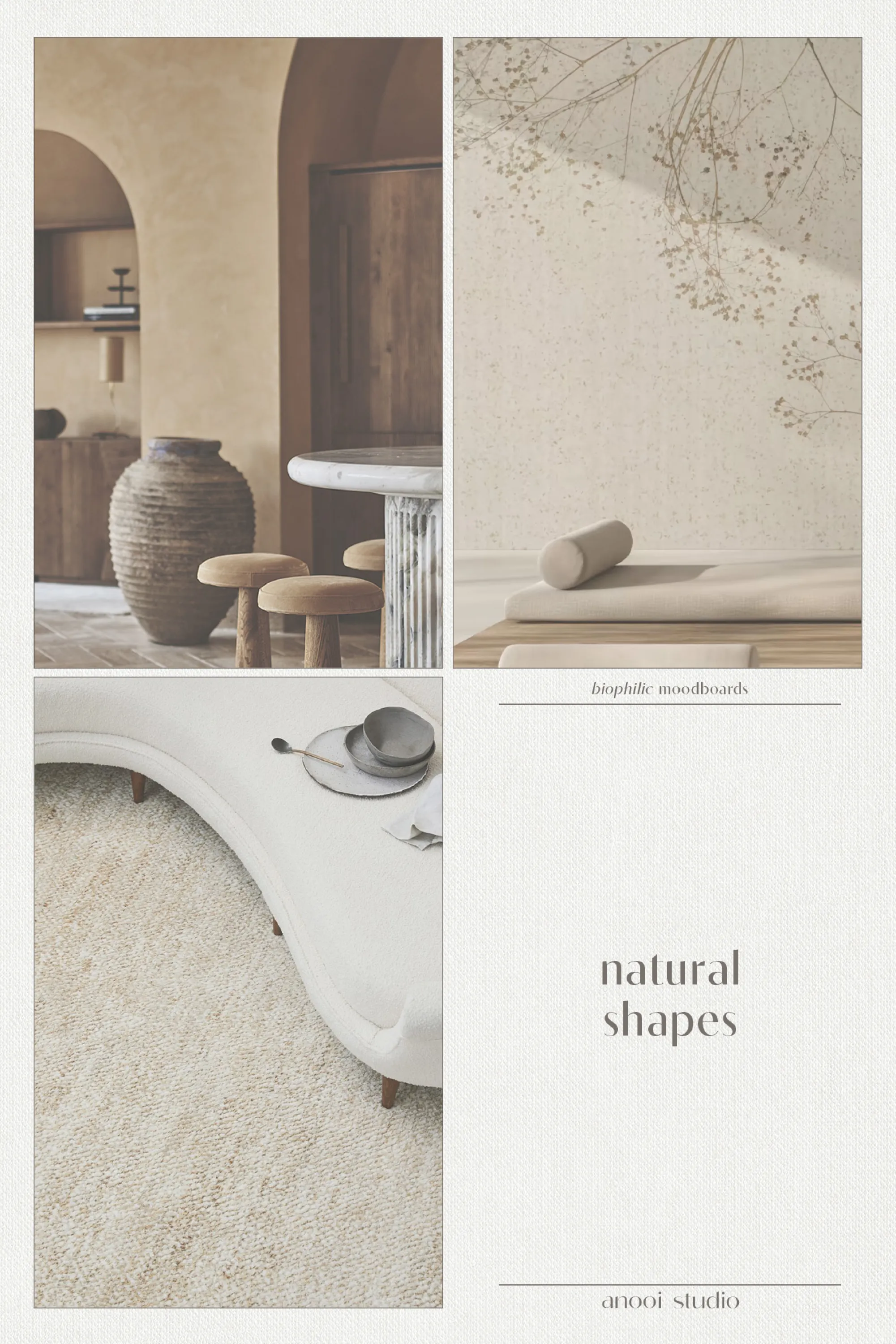
Biophilic moodboards: natural shapes
The natural world is drawn with curved lines and smooth corners, unlike many designed spaces. With the aim to reconcile natural and man-made, a biophilic approach welcomes more organic forms and flowy corners.
This episode of Biophilic Moodboards looks into the role of natural shapes, as well as their incorporation in designed spaces…
About natural shapes
Natural forms in interior design are the curved, organic, irregular shapes of the natural world, echoed in architectural details, furniture and objects. Nature-inspired forms add movement and softness. These feelings are complemented by rich textures, which introduce dimension and an additional sensory layer to the space. In biophilic design terms, nature’s shapes and textures are referred to as biomorphic forms and patterns.
In nature, shapes often incorporate fractal patterns and other defined proportions that make them complex yet always harmonious. In designed spaces, complex nature-inspired shapes introduce richness without feeling overwhelming.
Natural shapes in designed spaces
In the context of interiors and designed spaces, smooth corners, rounded shapes and sinuous lines can be the foundation of any design element: partitions and structural elements, furniture, as well as decorative details.
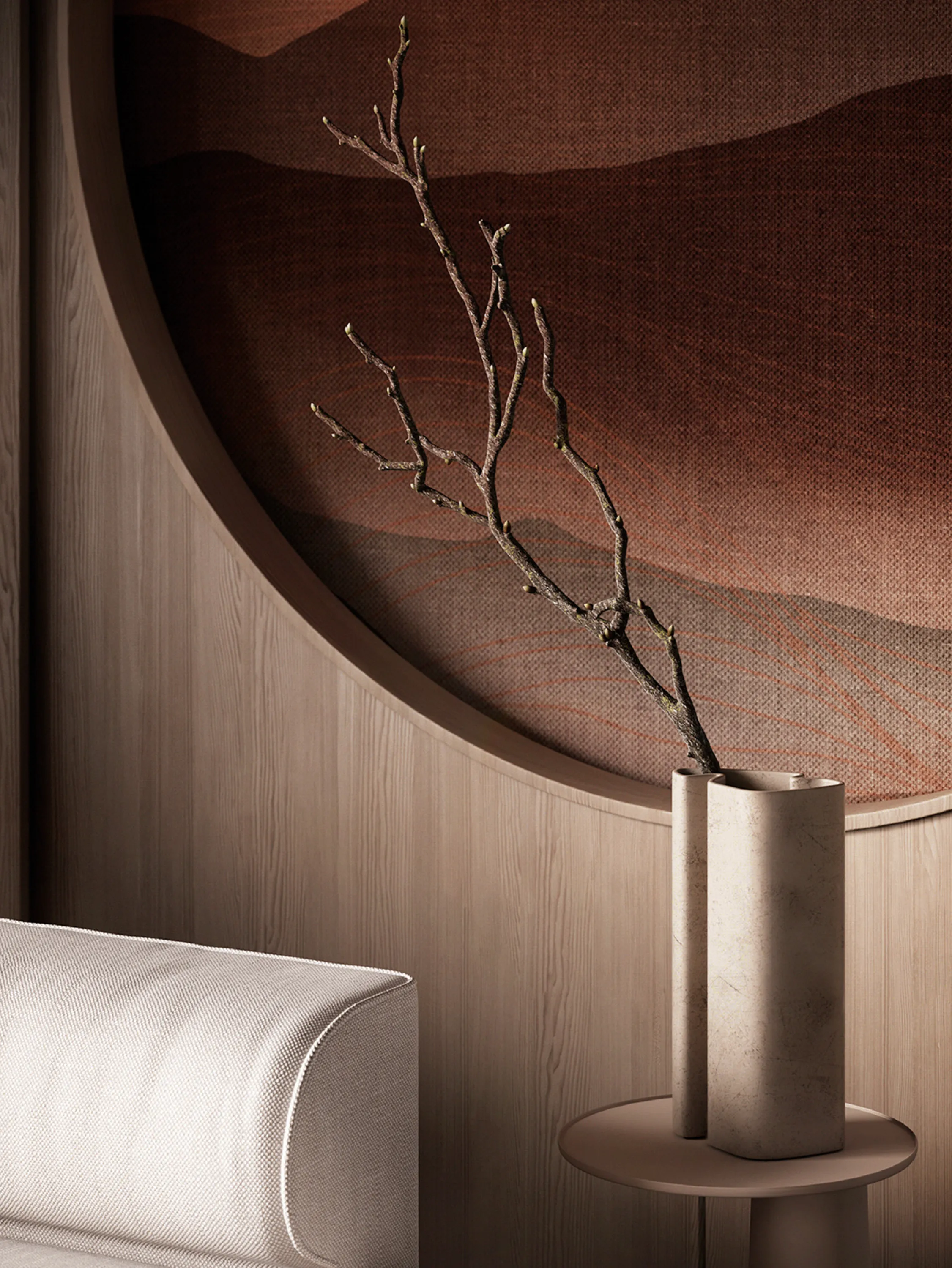
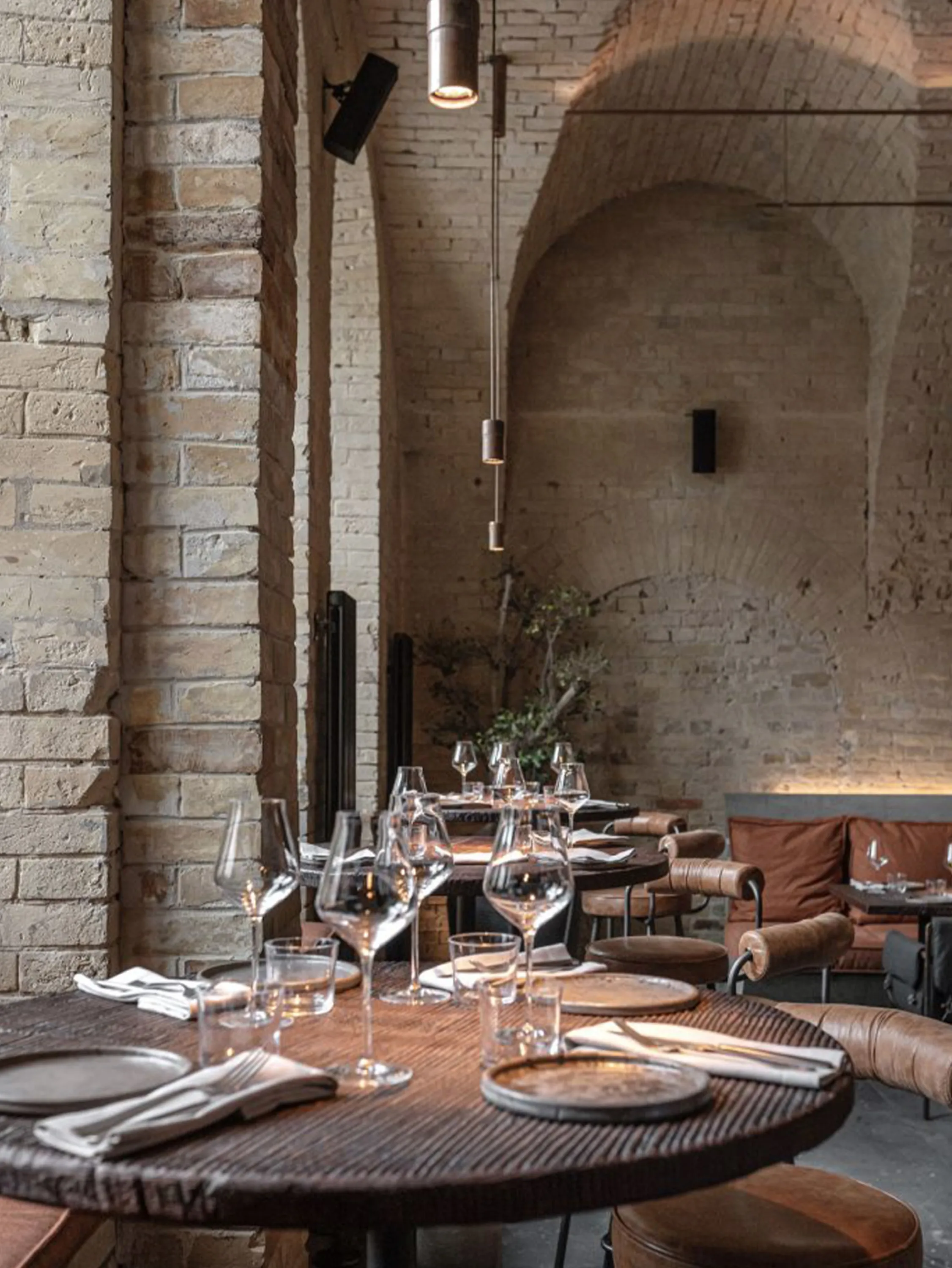
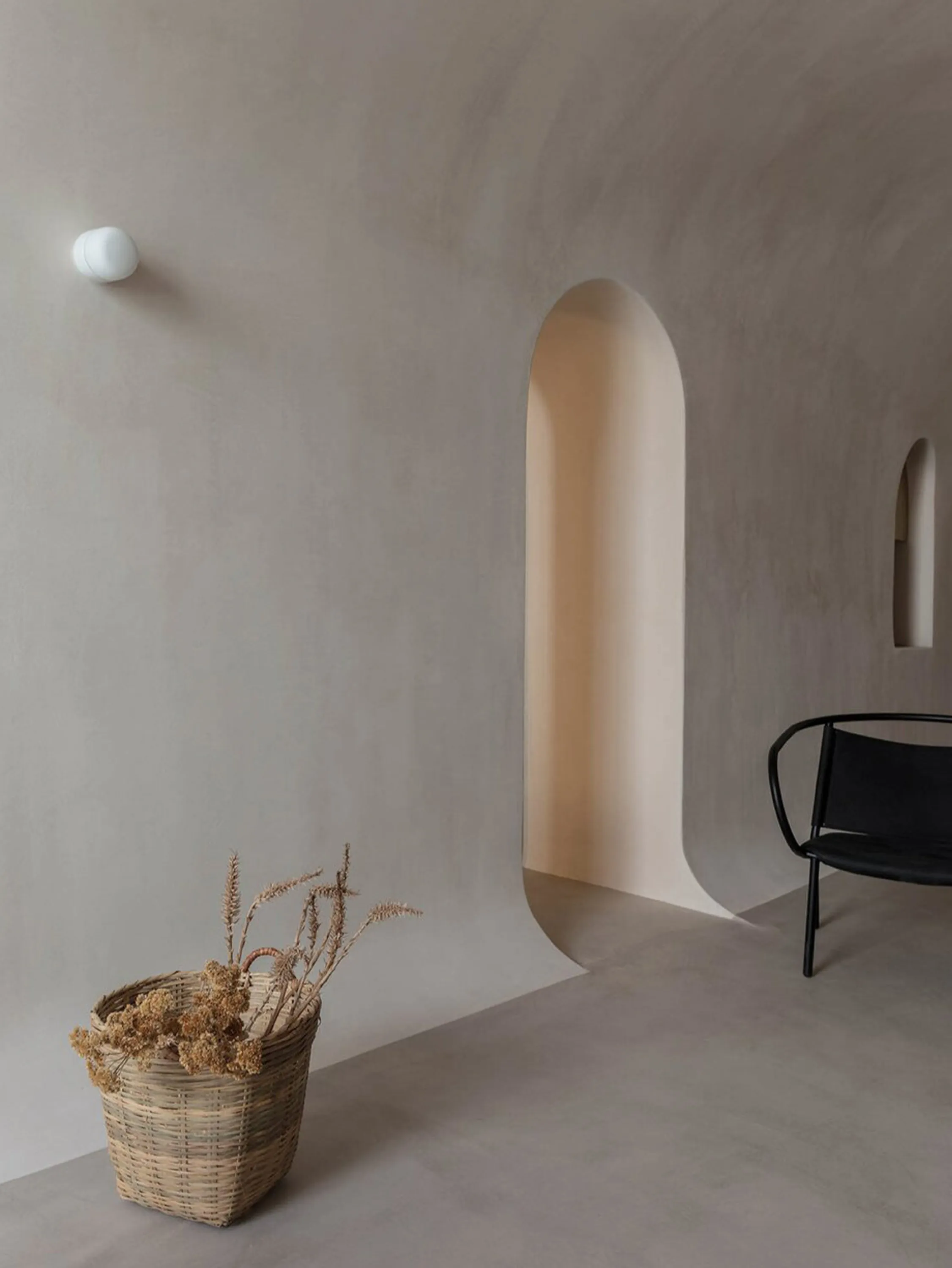
Curved walls, arches and vaults, enveloping chairs, and organic patterns are all examples of features that evoke the forms of nature as well as their essence. Besides, all real natural elements – such as plants and water – carry their inherently natural shapes, enriching the space accordingly.
Defining atmospheres
Organic forms define the atmosphere of a space. Curves feel welcoming and inviting. When used as space-defining details they may introduce intriguing elements or suggest a sense of refuge, shifting the atmosphere of the space towards mystery or comfort. Smooth forms may also suggest gathering, shaping how the space is perceived and used.
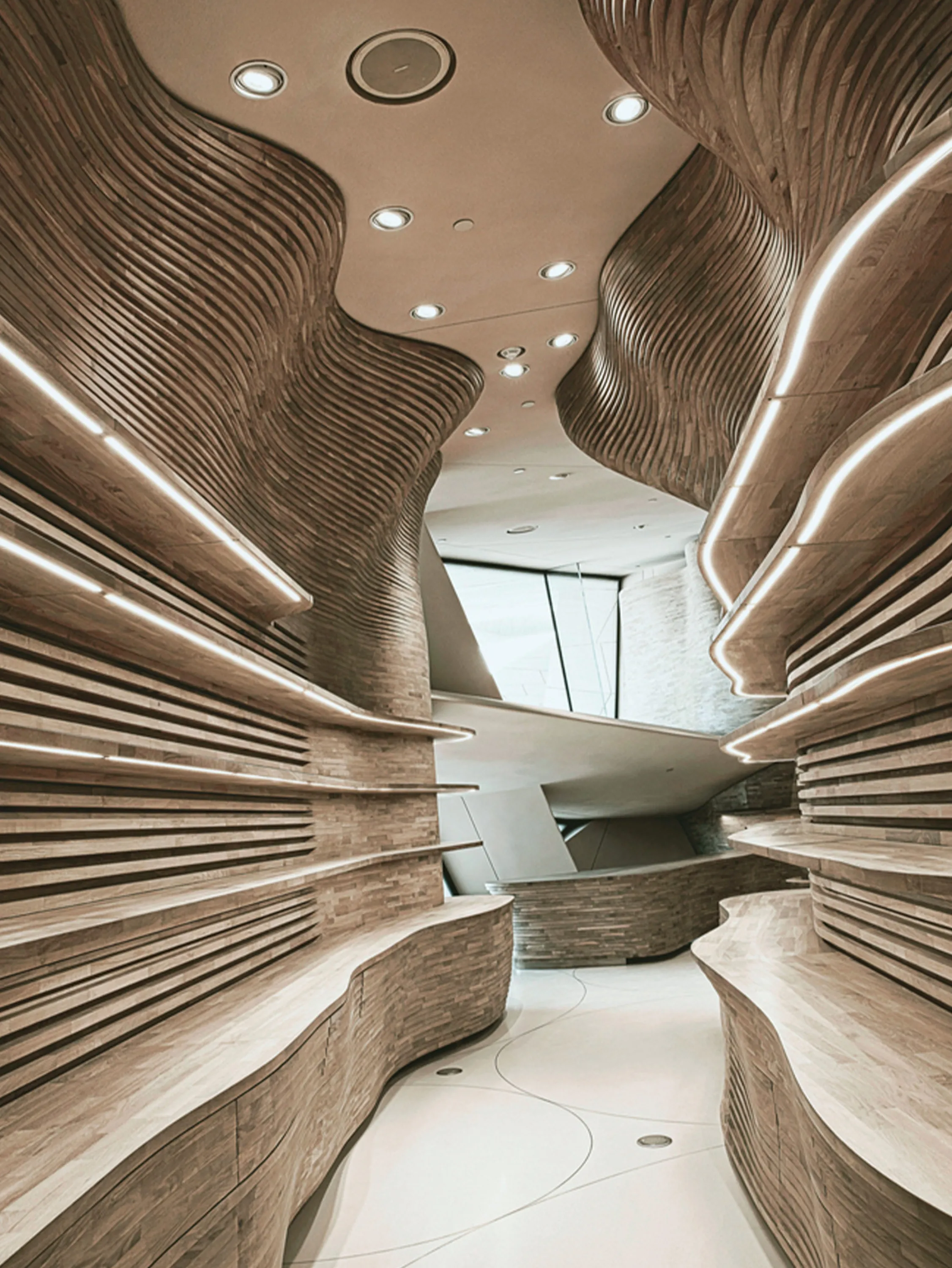
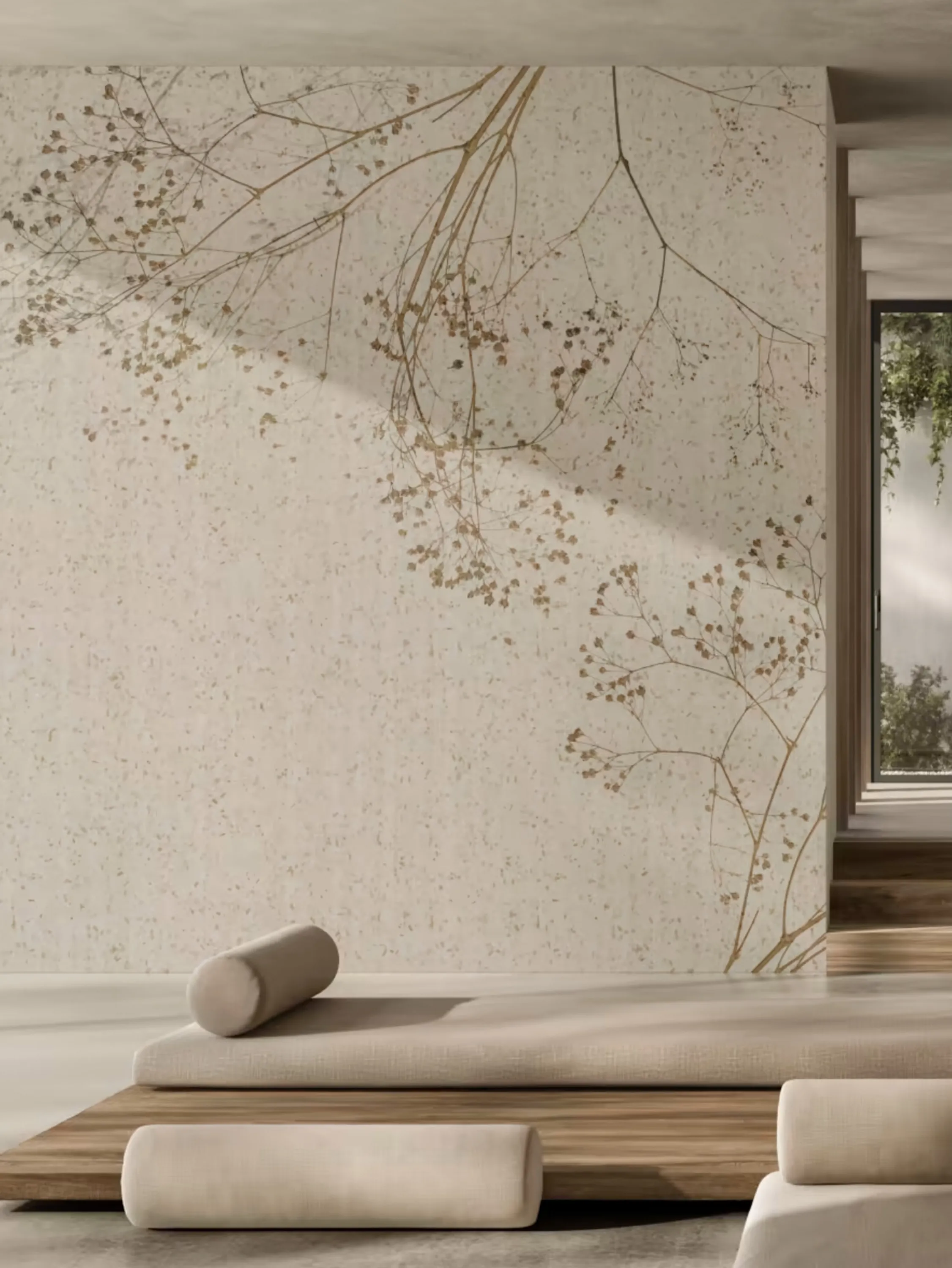
Spaces are made of shapes, which are able to influence the experience of space, making it more soothing or more intriguing, yet certainly more connected with the natural world we all come from and depend upon.
The relationship between human experience, the natural world, and designed spaces shapes the studio’s work, lives in A Biophilic Year – a book-object and online archive on people, nature, and design – and becomes a sensory practice with In Season, a seasonal physical letter. Every month, anooi’s newsletter gathers the studio’s world and explores the idea of nourishing spaces.