How to introduce biophilic design into meditation rooms
A meditation room, yoga room, or quiet-time room is a space dedicated to self-care, a space that closes the door – both mentally and physically – to the hurricane of thoughts that crowd the mind. Soothing design features can support the function of this space, crafting a calming and restorative atmosphere.
This episode of Biophilic How To looks into the design of meditation rooms from a biophilic perspective, combining atmospheres, design choices, and the experience of space in a nourishing outcome…
A biophilic meditation room
For the role it has, a meditation room carries the distinctive features of a refuge area. It needs to be a calm and calming space, that’s sheltered and feels comfortable.
From a design perspective, organic shapes and a colour palette based on grounding hues are ideal to calm the mind. Diffuse lighting with a crafted alternation of lit and dark areas follows the introspective atmosphere of the space. And a view of nature allows the mind to wander in the landscape, taking in its restorative richness and lively stimuli.
In the context of a meditation room, all sensory features aim at keeping the mind calm and in the present moment. Soothing natural sounds, tactile materials, calming scents, and a water feature with its delicate mesmerizing effect are all elements to keep in mind.
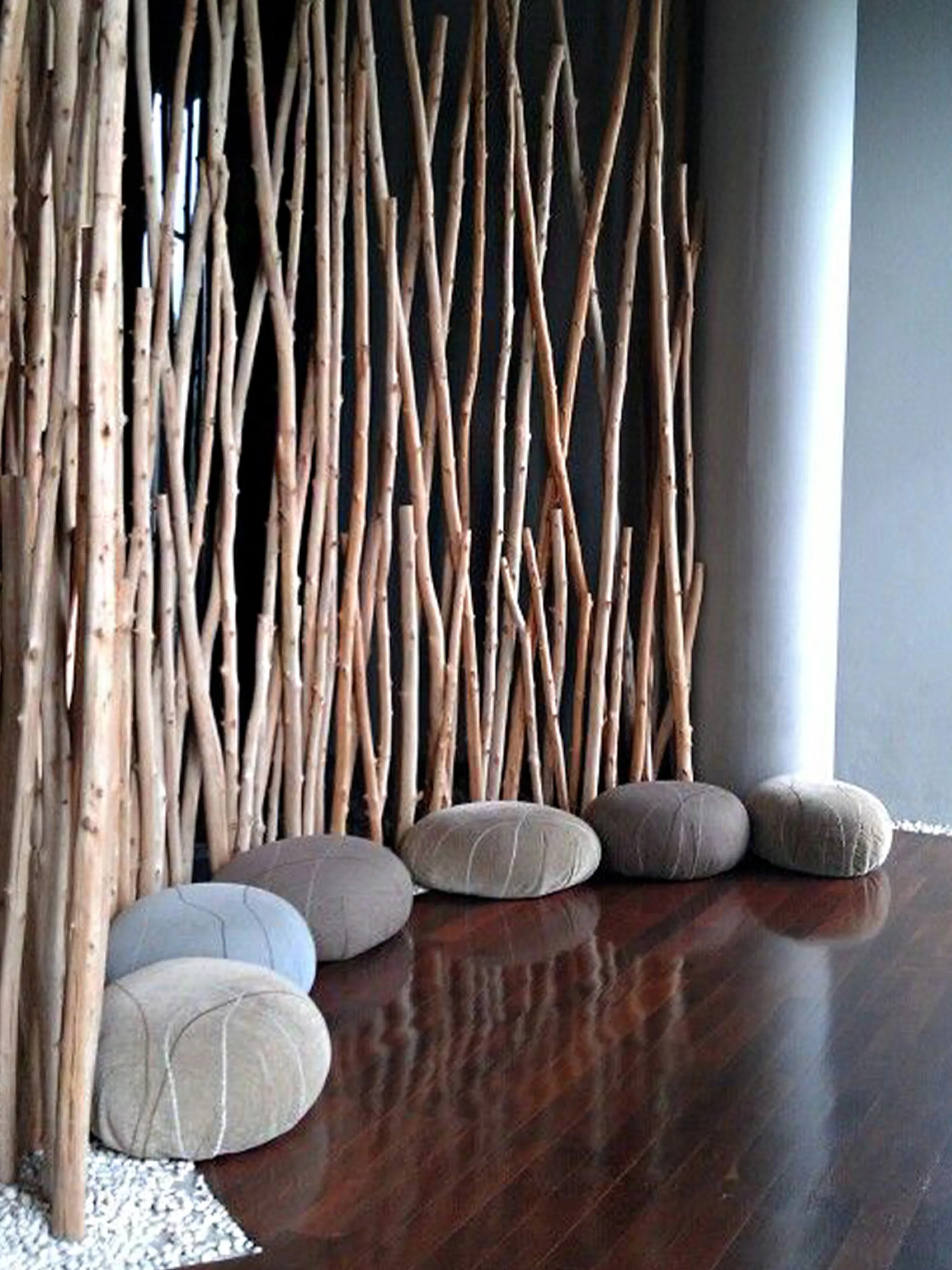
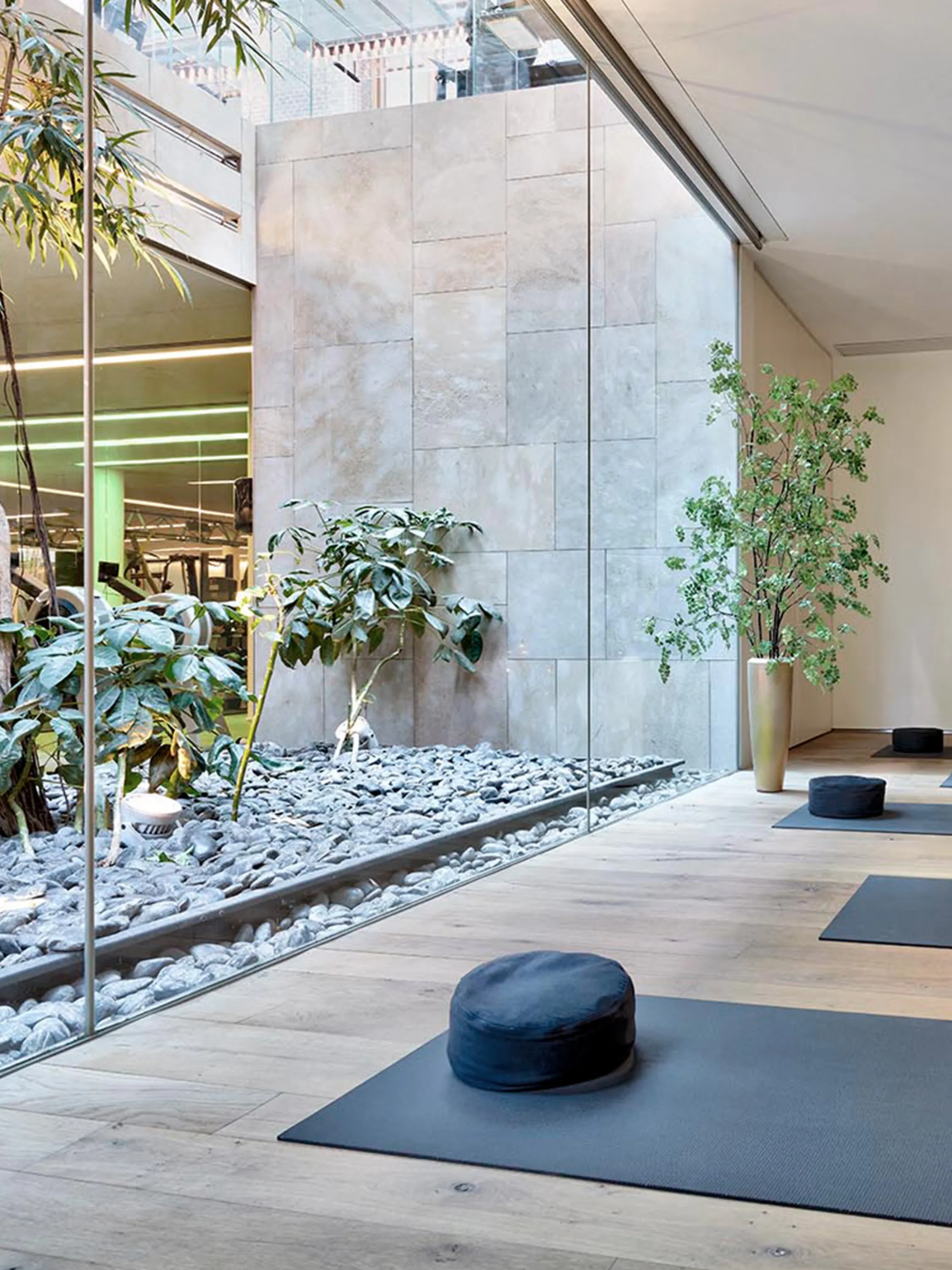
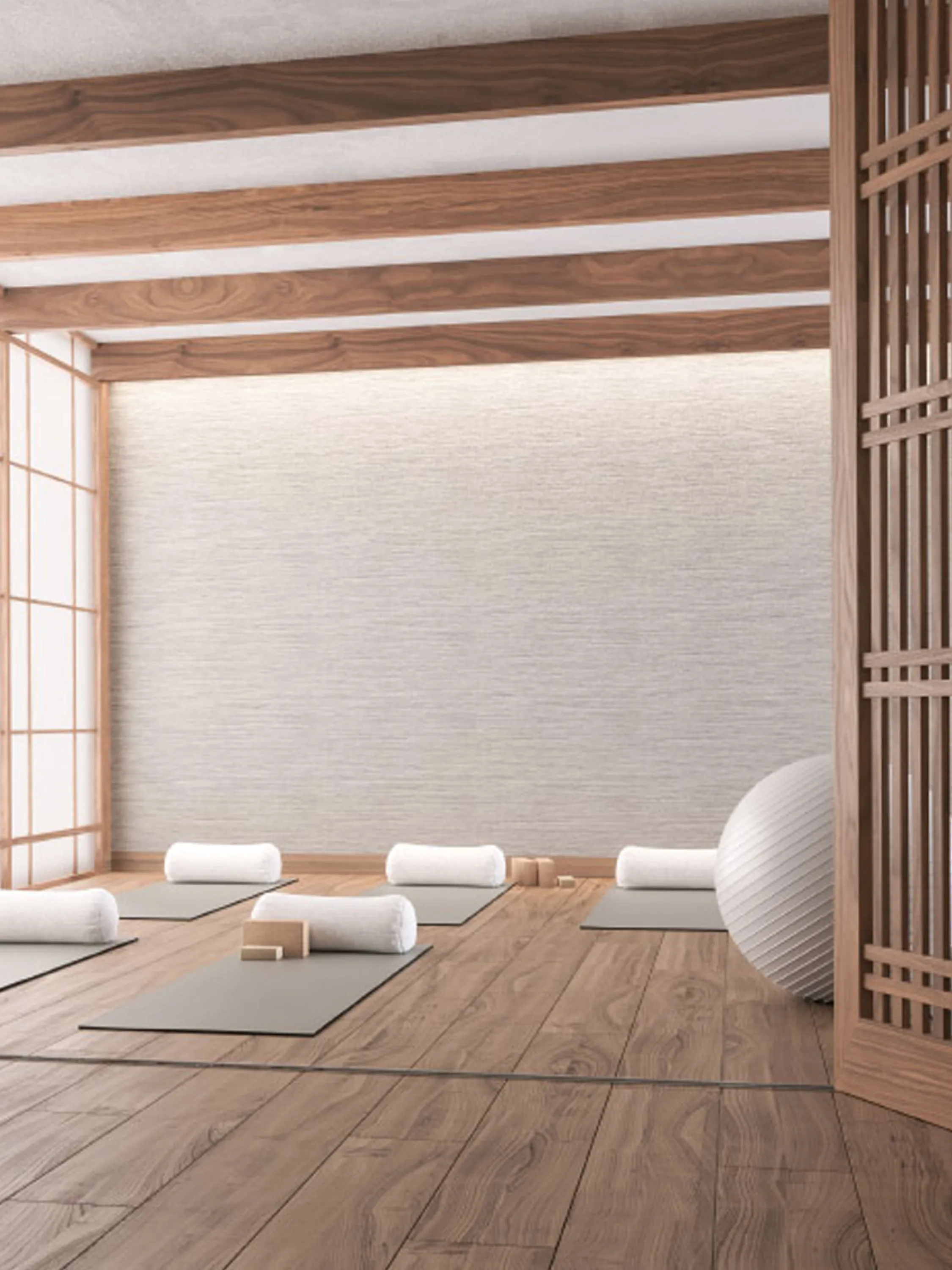
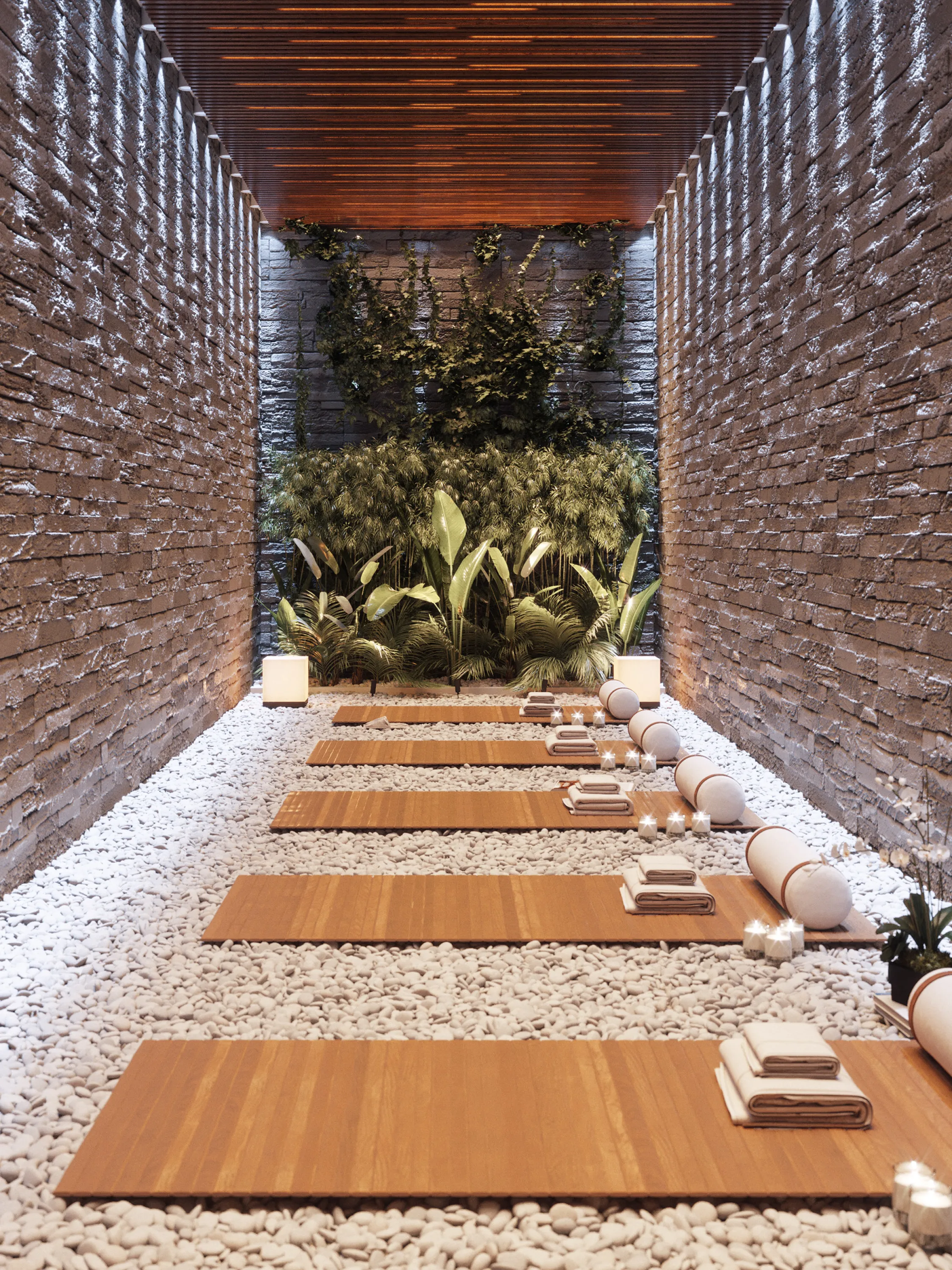
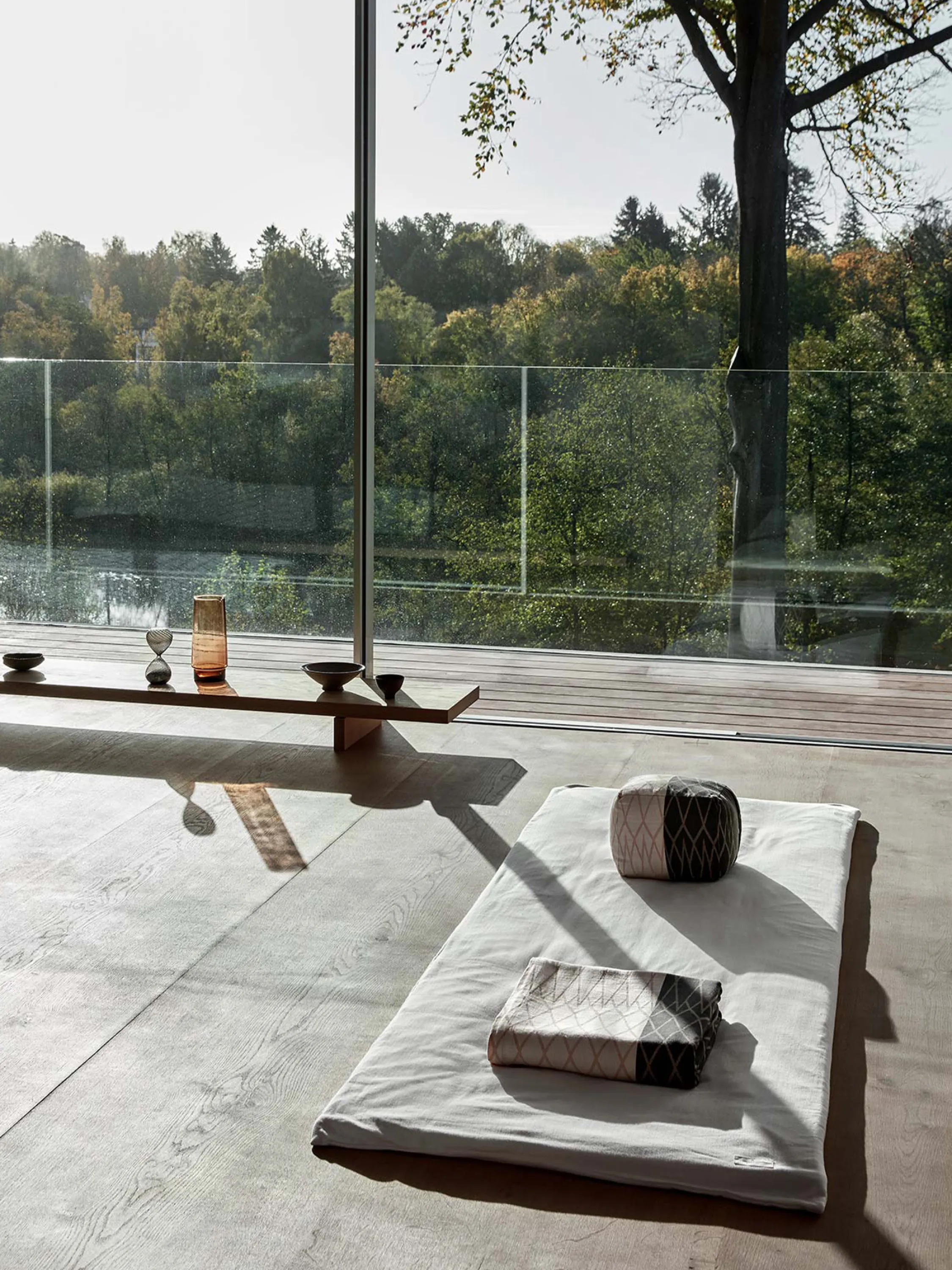
As a whole, carving moments of calm is essential for mental and physical wellbeing, and dedicating a specific space to this activity is a way to elevate it, giving it the value it deserves.
The relationship between human experience, the natural world, and designed spaces shapes the studio’s work, lives in A Biophilic Year – a book-object and online archive on people, nature, and design – and becomes a sensory practice with In Season, a seasonal physical letter. Every month, anooi’s newsletter gathers the studio’s world and explores the idea of nourishing spaces.